Choosing between the many types of takeaway containers is one of the first decisions an importer, distributor or restaurant group makes – and one of the most expensive to get wrong. The right container keeps food hot, stops leaks in delivery bags, fits your customers’ rules on plastic and still lands at a price that works for your market.
This guide compares the five container families buyers ask us about most, from PP plastic and aluminum foil to paper, plant-based corn starch and corrugated boxes. For each type, you will see what it is best at, where it falls short and what to check before you place a container order with a disposable food containers supplier.
What’s in this guide
- Why the Types of Takeaway Containers You Choose Matter
- PP Plastic Takeaway Containers
- Aluminum Foil Containers
- Paper Takeaway Packaging: Cups, Bags and Boxes
- Corn Starch Food Containers
- Corrugated and Paperboard Boxes
- Types of Takeaway Containers Compared
- How to Choose the Right Types of Takeaway Containers for Import
Why the Types of Takeaway Containers You Choose Matter
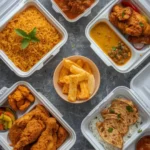
A takeaway container does more than hold food. It protects the meal during delivery, decides whether the customer can reheat leftovers and shapes how your brand looks when the bag is opened. Therefore, comparing the types of takeaway containers early saves you from leaks, soggy food, complaints and returns.
For importers, the container type also changes the economics of the shipment. Nested PP containers, flat-packed boxes and stacked foil trays all load differently into a 20 ft or 40 ft container, so the same order value can mean very different freight costs per piece.
- Food safety – food-contact material and any test reports your market expects.
- Heat – hot filling, reheating and whether the container may go in a microwave or an oven.
- Leak resistance – lid fit for curries, gravies and soups.
- Local rules – single-use plastic restrictions in your country or state.
- Landed cost – unit price plus how many cartons fit in your container.
PP Plastic Takeaway Containers

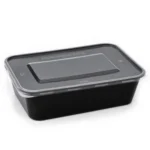
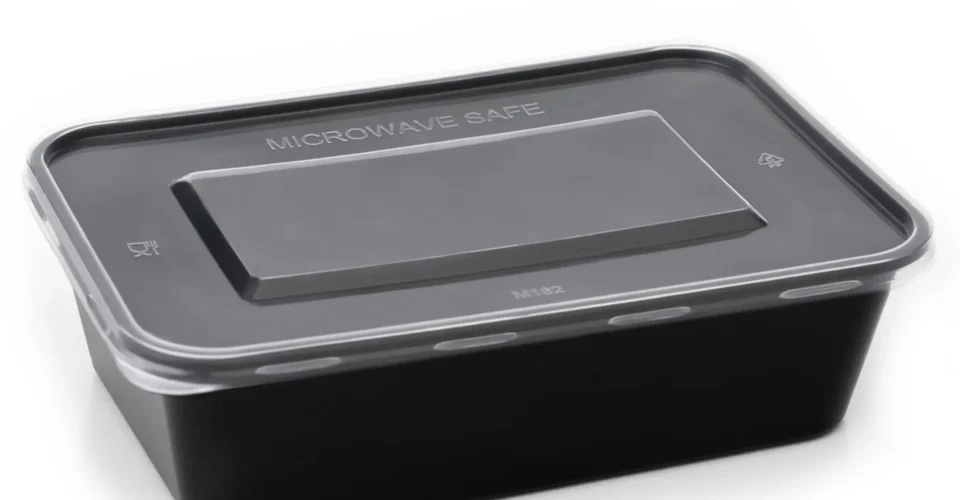
Polypropylene (PP) containers are the workhorse of food delivery. They are light, stackable and resistant to oil, and their snap-fit lids keep curries, rice and noodles sealed in delivery bags. As a result, they are the default choice for cloud kitchens, Indian and Asian restaurants and meal-prep brands.
Our PP containers use FDA-grade food-contact PP, and an SGS lab test report is available on request. They are suitable for reheating up to about 80°C, which covers most hot-holding and warming needs. They come in round, rectangle, deli, domed-lid, hinged and compartment styles, from small sauce cups to 1000 ml bowls.
- Best for: curries, rice, noodles, salads, meal prep and sauces.
- Strengths: leak-resistant lids, reusable for customers, efficient nested packing.
- Check: plastic restrictions in your market and the reheating temperature you need.
Aluminum Foil Containers
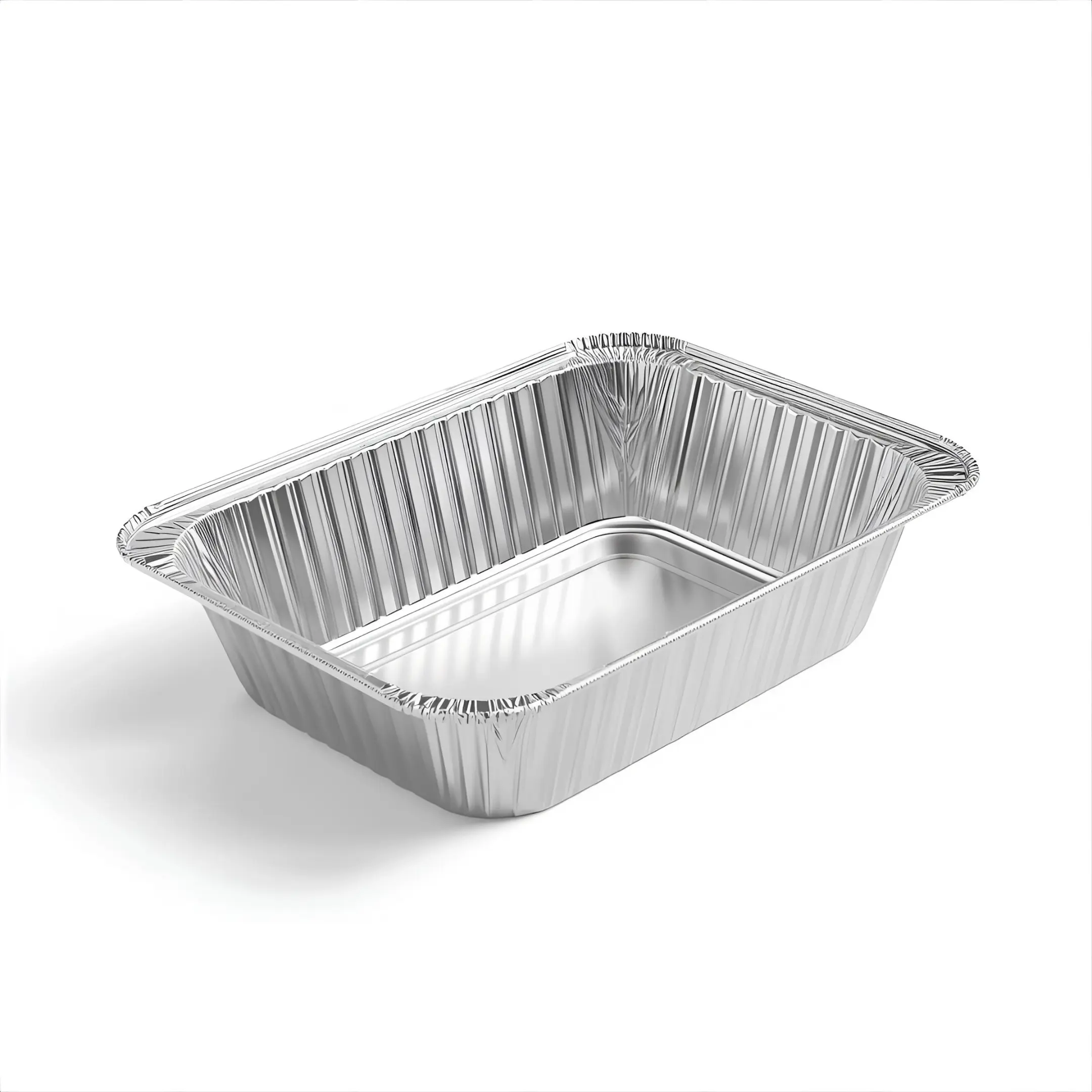
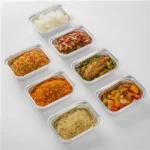
Aluminum foil containers are the classic choice when food goes into an oven. Because they handle hot, cold and frozen food, they are popular with caterers, bakeries, ready-meal brands and airline kitchens. In addition, aluminum is widely recyclable when the container is clean.
Foil containers are oven-safe and heat-resistant, but we do not recommend them for microwave use. Instead, food is reheated in a conventional oven. Common formats include rectangular half-curled trays from 120 ml to 750 ml, oval containers and 3-compartment meal plates.
- Best for: biryani, baked dishes, roasts, party trays and frozen meals.
- Strengths: oven-safe, freezer-safe, rigid and recyclable.
- Check: lid type for your menu and whether customers expect to microwave the meal.
Paper Takeaway Packaging: Cups, Bags and Boxes
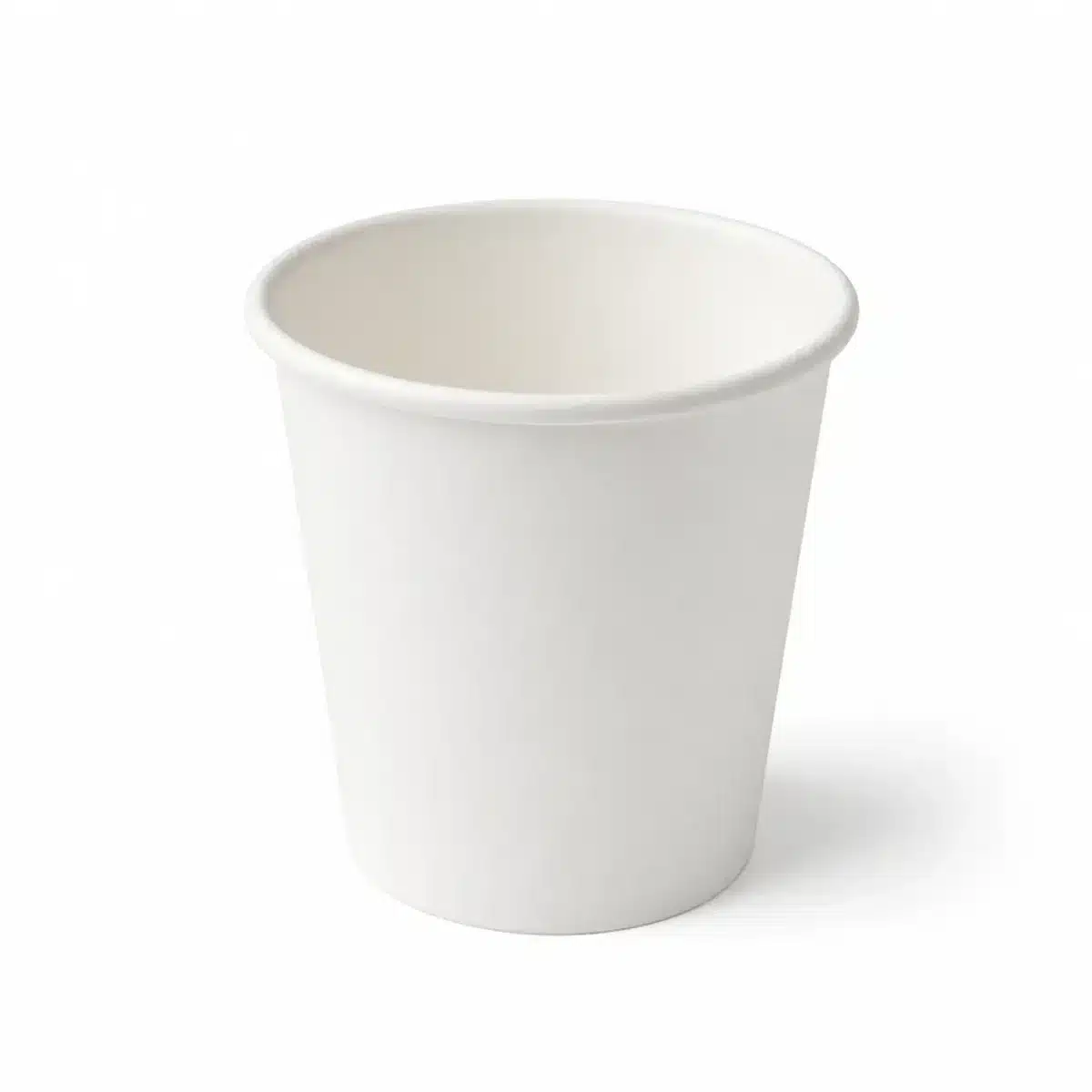
Paper packaging covers hot drinks, bakery items and dry food. Single wall, double wall and ripple paper cups serve coffee and tea, while kraft paper bags and window bags carry bread, pastries and retail purchases. Many buyers choose paper because customers see it as a natural, plastic-free option.
Paper works best for dry or short-hold items. For wet, oily dishes, PP or foil usually performs better unless the paper pack has a suitable coating.
- Best for: coffee and tea, bakery, sandwiches and retail carry bags.
- Strengths: custom printing for branding and a natural look.
- Check: wall type for hot drinks and grease resistance for bakery items.
Corn Starch Food Containers
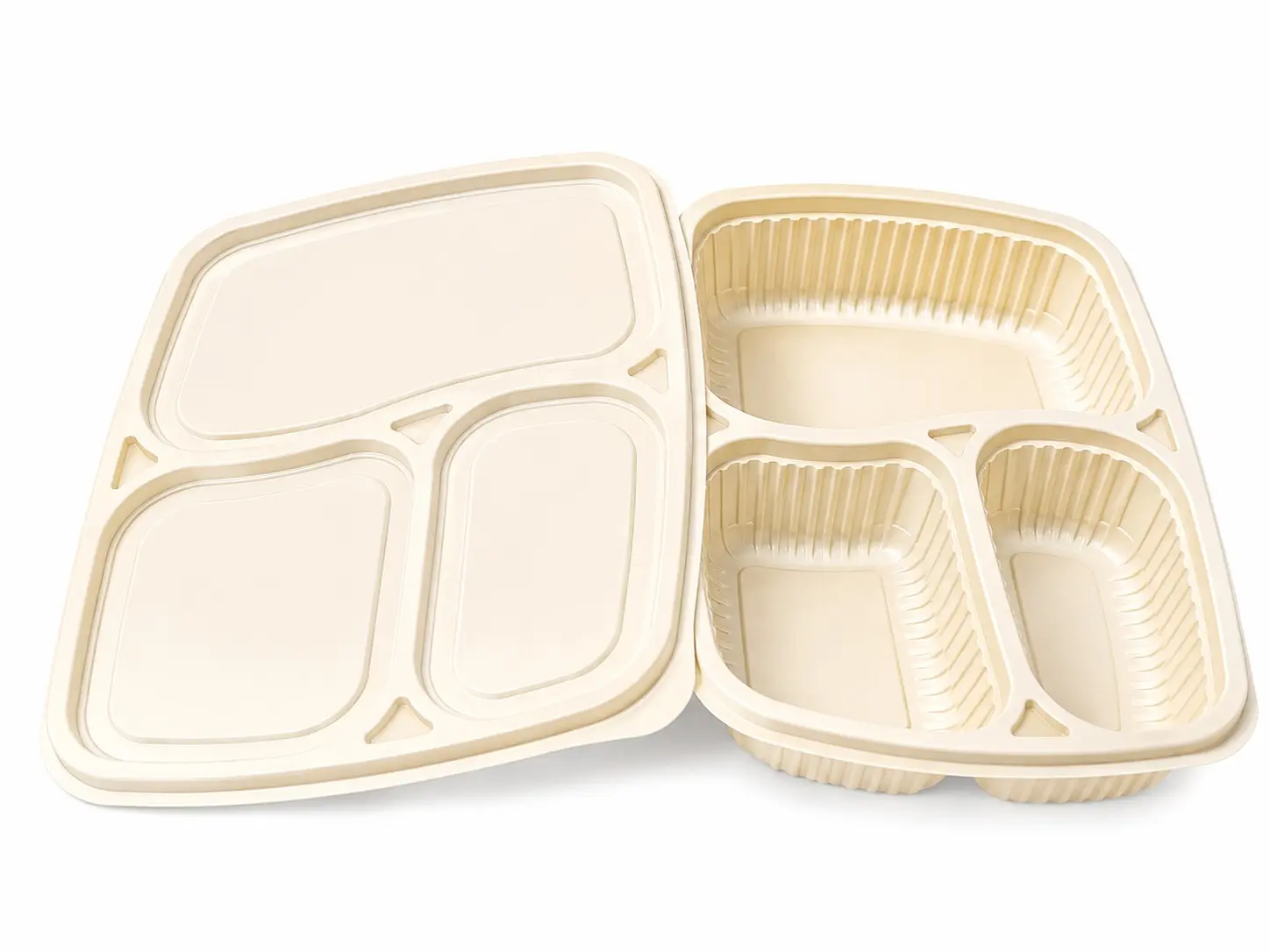
Corn starch containers are made with plant-based corn starch and are chosen by brands that want to cut conventional plastic use. Bowls with lids, compartment meal trays and rectangle lunch boxes cover soups, combo meals, bento sets and thali-style menus.
Corn starch containers suit serving and takeaway, but we do not recommend microwave use. Therefore, customers should transfer food to a microwave-safe dish before reheating.
- Best for: eco-focused cafés, meal trays, lunch boxes and catering.
- Strengths: plant-based material and a clean natural cream finish.
- Check: your market’s labeling rules for eco claims before you print packaging.
Corrugated and Paperboard Boxes
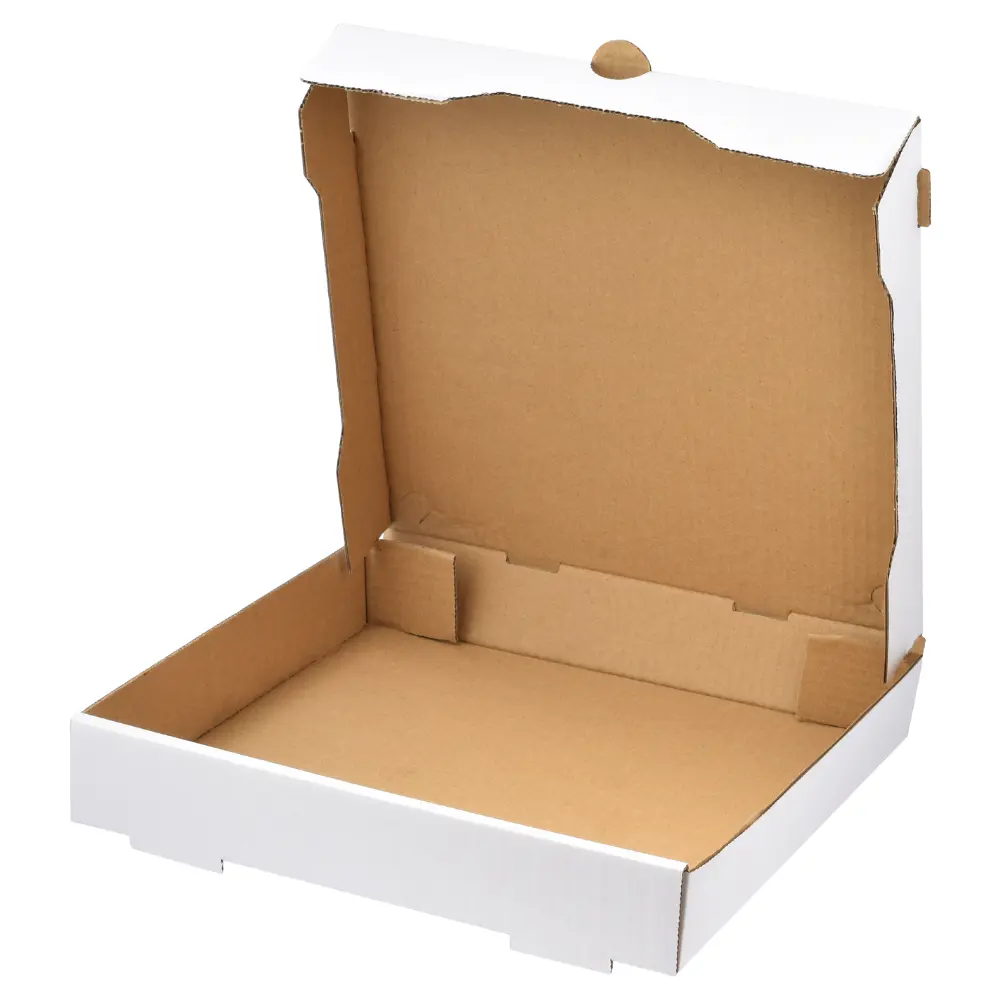
Boxes cover the jobs that cups and tubs cannot: pizza delivery, bakery display, gifting and shipping. Kraft pizza boxes in E-flute or B-flute board keep pizzas rigid and warm, while window boxes show cookies and cakes on the counter.
For shipping, however, 3, 5, 7 and 9 ply corrugated cartons protect goods from light e-commerce parcels up to heavy export loads.
- Best for: pizza, bakery, gift sets and outer shipping cartons.
- Strengths: flat-packed for storage and freight, easy to brand.
- Check: board grade and flute for your product weight.
Types of Takeaway Containers Compared
Use this quick comparison to shortlist the right container family for each menu item before you request samples.
| Container type | Best for | Heat use | Main advantage |
|---|---|---|---|
| PP plastic | Curries, rice, meal prep | Reheating up to about 80°C | Leak-resistant snap lids |
| Aluminum foil | Baked dishes, party trays | Oven-safe – not for microwave | Oven to table, recyclable |
| Paper cups & bags | Drinks, bakery, retail | Hot drinks (cup wall type matters) | Branding and natural look |
| Corn starch | Bowls, meal trays, lunch boxes | Not for microwave | Plant-based material |
| Corrugated / paperboard | Pizza, bakery, gifts, shipping | Warm food in pizza boxes | Flat-packed and printable |
How to Choose the Right Types of Takeaway Containers for Import
Once you know which types of takeaway containers fit your menu, plan the order around your market and your container space. As a result, you avoid paying freight on air and you land the sizes that actually sell.
- List your top-selling dishes and match each one to a container type and size.
- Check local rules on single-use plastic and eco labeling in your destination market.
- Ask for samples and test lid fit with your hottest and wettest dishes.
- Compare carton CBM and loadability so you know how many pieces fit in a 20 ft or 40 ft container.
- Mix sizes and families in one container to reach the MOQ without overstocking one item.
Products Mentioned in This Guide
Frequently Asked Questions
What are the most common types of takeaway containers?
The most common types are PP plastic containers, aluminum foil containers, paper cups and bags, plant-based corn starch containers and corrugated or paperboard boxes. Most food businesses use two or three of these families together.
Which takeaway container is best for curry and gravy?
PP containers with snap-fit lids are usually the best choice for curry and gravy because they resist leaks and oil. Aluminum foil also works well when the dish is baked or reheated in an oven.
Can aluminum foil or corn starch containers go in the microwave?
We do not recommend it for either. Reheat foil containers in a conventional oven, and transfer food from corn starch containers to a microwave-safe dish.
Can I mix different container types in one shipment?
Yes. Many importers mix PP containers, foil trays, paper cups and boxes in one container load. Therefore, you can reach the minimum order quantity while keeping stock balanced.
Get Samples and Bulk Pricing
Tell us your menu, sizes and destination port, and we will suggest the right mix of takeaway containers with carton packing and a container loading plan.