Best Takeaway Containers for Food Delivery & Cloud Kitchens
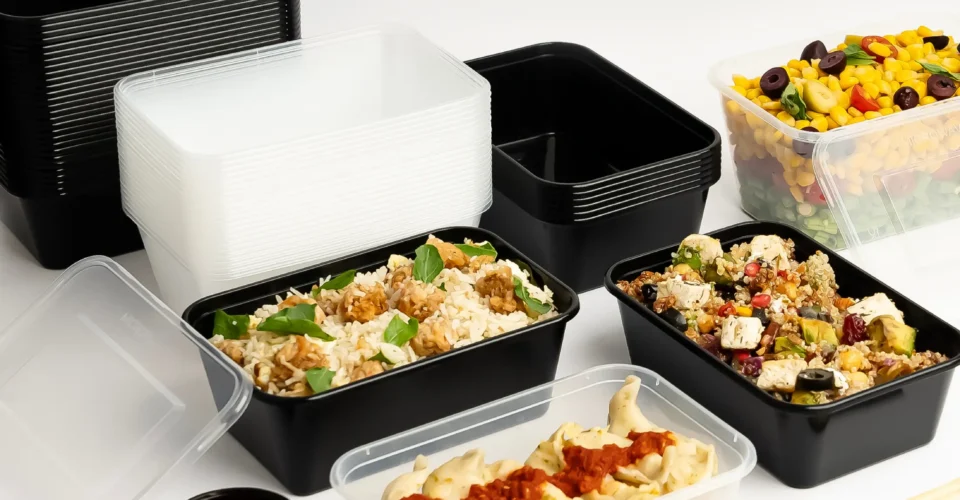
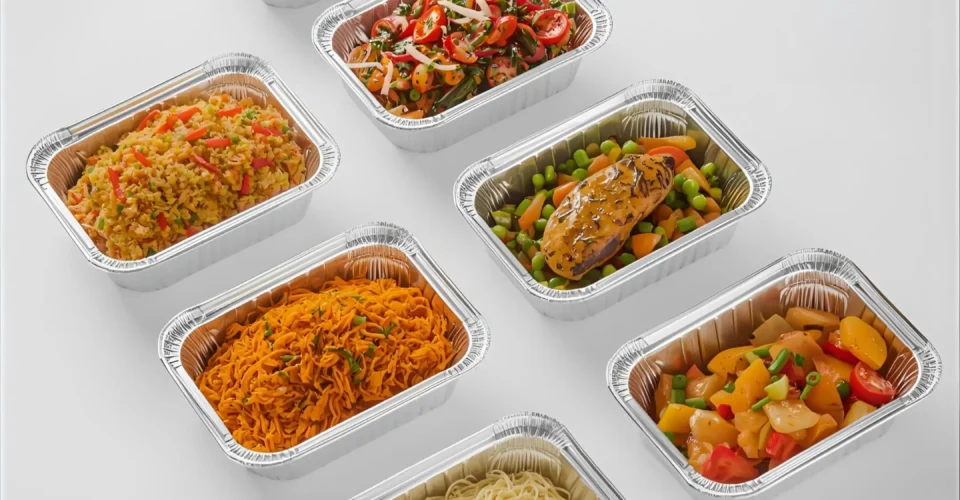
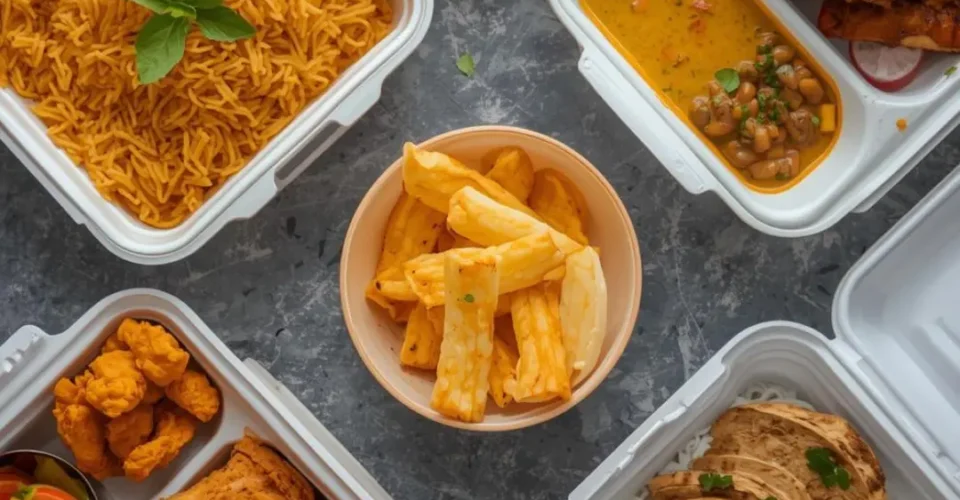
Packaging Guide 2026 Best Takeaway Containers forFood Delivery & Cloud Kitchens The complete buyer’s guide to choosing packaging that keeps food fresh, impresses customers, and grows your delivery business. 📅 March 2026 ⏱ 12 min read 🏷 Packaging · Cloud Kitchen · Food Delivery Picture this: It’s 8:30 on a Friday evening. A customer opens their delivery bag after a long week, excited for the butter chicken they ordered. But the container has leaked. The rice is soggy. The naan is stuck to the lid. They don’t order again. They leave a two-star review. That single container cost you not just one order — it cost you a loyal customer. In the world of food delivery and cloud kitchens, packaging is not an afterthought. It is your product. 78%Customers judge food quality by its packaging 2.3xMore repeat orders when packaging impresses ₹40Cr+Lost yearly due to poor packaging in cloud kitchens 62%Customers share good packaging on social media High-quality takeaway containers that keep food fresh from kitchen to doorstep. Why It Matters The Real Cost of Bad Packaging Walk into any thriving cloud kitchen and you will find one consistent pattern: the best-reviewed ones obsess over packaging just as much as they obsess over their recipes. In an era where customers never see your kitchen, never interact with your staff, and judge everything by what arrives at their door — the container is the chef’s handshake. Bad takeaway packaging creates a chain reaction. Food loses heat unevenly. Sauces leak into dry items. Crispy textures turn limp. Even a perfectly cooked dish becomes a disappointment. And in today’s world, that disappointment goes straight to Zomato, Swiggy, or Google Reviews — publicly, permanently. The good news? Choosing the right containers is not complicated once you understand the core requirements. This guide breaks everything down — materials, types, use cases, comparisons, and smart buying tips — so you can make the right decision for your kitchen. 🌡️ Heat Retention The right container keeps food at serving temperature for 30–60 minutes in transit. 🔒 Leak-Proof Sealing Prevents sauces, gravies, and liquids from spoiling other items in the bag. ♻️ Eco-Friendly Sustainable packaging builds brand trust and meets growing customer expectations. 🎨 Brand Impression Branded packaging turns every single order into a powerful marketing moment. Types & Materials A Complete Guide to Takeaway Container Types Not every dish needs the same packaging. Biryani behaves very differently from a Caesar salad. A pizza needs ventilation; a curry needs a hermetic seal. Understanding your food type is step one in choosing the right container material. From kraft paper boxes to premium PP containers — each material has its ideal use case. 1. Kraft Paper & Cardboard Containers The workhorse of the industry. Kraft paper boxes are lightweight, biodegradable, and easily customisable with branding. They work wonderfully for dry or semi-dry foods — sandwiches, wraps, momos, snack boxes, and desserts. However, they struggle with highly liquid items unless coated with a food-grade PE lining inside. Best for: Burgers, wraps, snacks, baked goods, dry items, dessert boxes. 2. PP (Polypropylene) Plastic Containers The undisputed champion for curries, gravies, and rice dishes. PP containers are BPA-free, microwave-safe, and form an airtight seal when paired with a snap-lock lid. They are transparent (great for visual appeal), durable, and stack-friendly for storage. Most professional cloud kitchens in India rely heavily on PP containers for good reason. Best for: Gravies, dal, rice, noodles, soups — anything with significant moisture or sauce content. 3. Aluminium Foil Containers Exceptional heat conductors and ideal for keeping food warm over extended delivery windows. Aluminium containers are oven-safe, making them perfect for biryani and baked dishes. They convey a sense of quality and warmth that customers notice. The limitation: they are not microwave-safe, so always include printed reheating instructions. Best for: Biryani, baked dishes, meals with long delivery windows, premium restaurant deliveries. 4. Bagasse (Sugarcane Pulp) Containers The sustainable star of 2026. Made from sugarcane fibre, bagasse containers are 100% compostable, water and oil resistant, and microwave-safe. They have excellent rigidity, making them suitable for thali-style full meals. While slightly more expensive than plastic per unit, they signal a clear eco-commitment that resonates strongly with today’s conscious consumer. Best for: Eco-conscious brands, thali meals, meal kits, health food delivery. 5. Clamshell & Burger Boxes Hinged containers designed for burgers, sandwiches, parathas, and other hand-held items. The hinged lid stays attached so there is no separate lid to lose. Vented designs prevent sogginess by allowing steam to escape — a small detail that makes a huge difference to texture on arrival. Best for: Burgers, hot sandwiches, parathas, quesadillas, wraps. Left: Sustainable bagasse containers. Right: Branded packaging that tells your story at the doorstep. Side-by-Side Comparison Takeaway Container Comparison Table Use this at-a-glance table to match your dish type with the best container material. We have evaluated each across the six most critical delivery performance factors. Container Type Heat Retention Leak-Proof Eco-Friendly Microwave Safe Cost Best Use Kraft Paper Box ★★★☆☆ Moderate ✓ Yes ✗ No Low Dry foods, snacks PP Plastic Container ⭐ ★★★★☆ Excellent Recyclable ✓ Yes Low–Mid Gravies, rice, curries Aluminium Foil Tray ★★★★★ Good Recyclable ✗ No Mid Biryani, baked dishes Bagasse Container ★★★★☆ Good ✓ Compostable ✓ Yes Mid–High Thali, health food Clamshell Box ★★★☆☆ Moderate Paper: Yes ✗ No Low Burgers, parathas PET Clear Container ★★☆☆☆ Excellent Recyclable ✗ No Low–Mid Salads, cold items ⭐ Editor’s Pick for most cloud kitchens — best balance of performance, cost and availability. 🧠 Pro Tip: The 3-Container System Most successful cloud kitchens do not rely on a single container type. They use a three-layer system that handles every dish perfectly: PP containers for all gravies, curries, and wet items Kraft or bagasse boxes for dry items, breads, and sides A branded outer delivery bag that unifies the entire experience This approach prevents cross-contamination, maintains each item’s individual integrity, and creates a premium unboxing experience — even for an ₹199 meal. For Cloud Kitchens What Cloud Kitchens Specifically