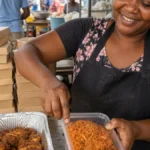
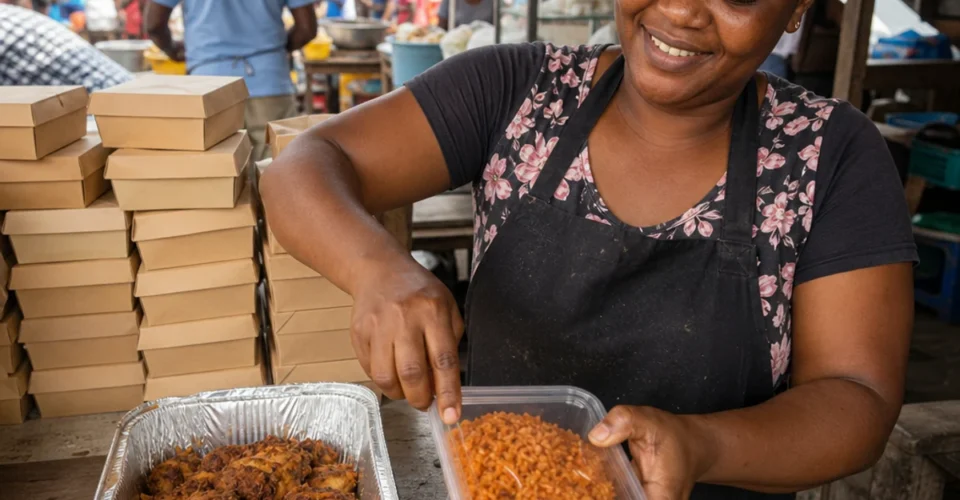
From 1 January 2027, the Ghana Styrofoam ban stops the production, importation, sale and use of expanded polystyrene (EPS) foam products across the country. That includes the takeaway packs, cups and plates used every day by chop bars, restaurants, caterers and street food vendors.
With less than two months to go, Ghana’s Environmental Protection Authority (EPA) is taking its campaign from Accra to regional markets and says it will not extend the deadline again. This guide explains what the ban covers, which Styrofoam alternatives in Ghana the EPA points to, and how importers can plan takeaway packaging for Ghana before the deadline.
What the Ghana Styrofoam Ban Covers
The EPA announced the ban in May 2026, following a policy announcement by President John Dramani Mahama at the 2025 World Environment Day celebrations. According to the Ghana News Agency, it covers all forms of expanded polystyrene foam products used for commercial and domestic purposes.
| Point | Details |
|---|---|
| Start date | 1 January 2027 – enforcement with no further extensions |
| Activities banned | Production, importation, distribution, sale and use |
| Food items covered | Food containers and takeaway packs, disposable cups and plates, foam packs used by restaurants and food vendors |
| Other items covered | Foam ceiling and insulation materials, foam mattresses and bedding, packaging and cushioning materials |
| Exempt | Products strictly for medical, scientific, laboratory and diagnostic use, subject to approval |
No Extension: How the Ghana Styrofoam Ban Will Be Enforced
In late October 2026 the EPA extended its campaign to regional markets, starting in Damongo in the Savannah Region on 26 October. As reported by African Sustainability Matters, the authority has rejected requests from manufacturers and importers for more time and warned that unsold banned products could be confiscated and destroyed.
Earlier, the EPA’s Deputy CEO for Operations told traders and importers not to place fresh orders for Styrofoam products. Customs will confiscate consignments that arrive after the deadline, and offenders may face legal action. District assemblies, port authorities, customs officers and the police will all help enforce the Ghana Styrofoam ban.
Why Ghana Is Banning Styrofoam Takeaway Packs
The EPA gives two reasons. First, foam packs clog drains, add to urban flooding and pollute beaches and the sea. Second, an EPA director said in a MyJoyOnline interview that foam containers can release harmful chemicals when they meet heat or oily and acidic foods.
In addition, the EPA describes the Ghana Styrofoam ban as the first phase of a wider plan to reduce single-use plastics. Therefore, buyers should plan with the next phase in mind, not only the January deadline.
Styrofoam Alternatives in Ghana: What Replaces Foam Packs
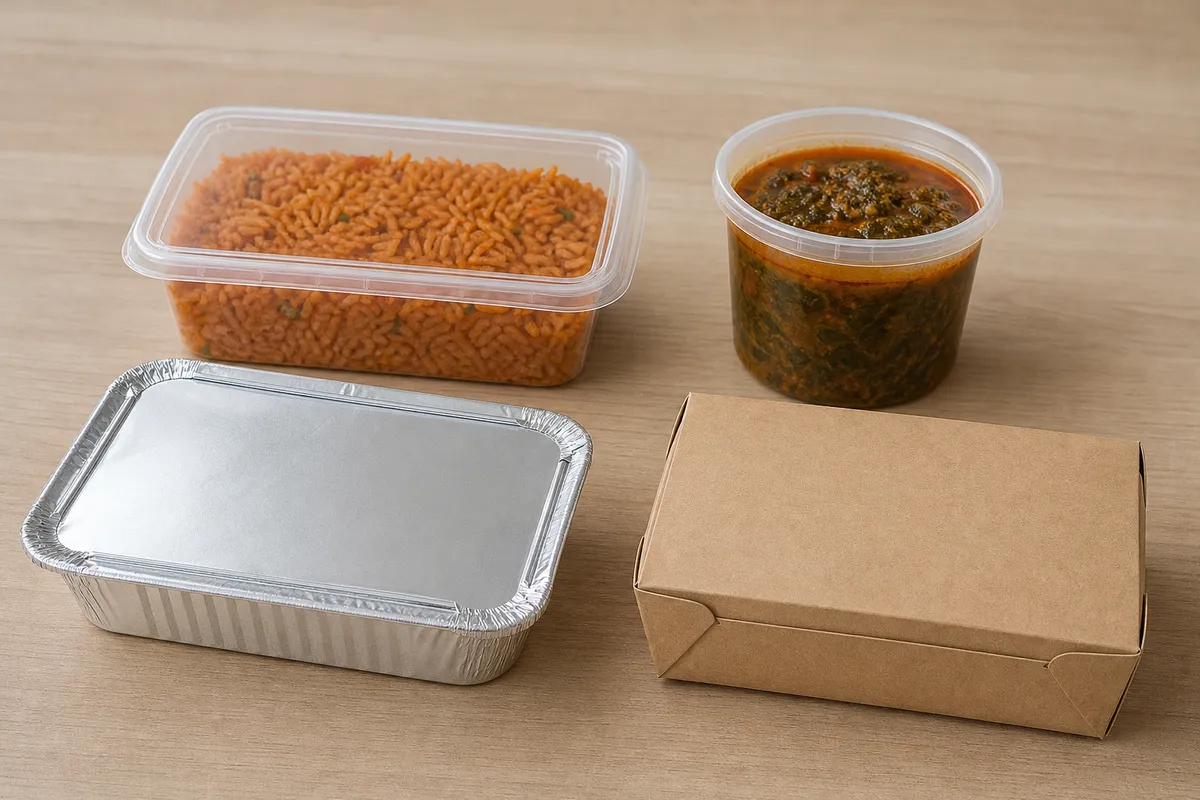
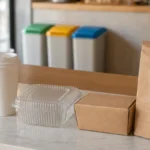
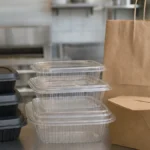
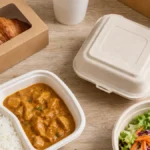
The EPA says the Ghana Styrofoam ban is not meant to end takeaway food, only to move it to other materials. Its CEO named paper-based packaging, recycled aluminum foil, recyclable plastic containers and packaging made from agricultural by-products as alternatives already on sale in markets such as Kejetia and Makola.
| Food | Possible packaging | What to check |
|---|---|---|
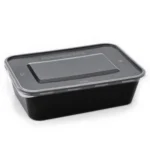
| Rice dishes, jollof, waakye | PP rectangle containers with lids or paper meal boxes | Lid seal for delivery; grease resistance for paper |
| Soups and stews | Round PP deli containers | Leak-proof lid for hot, oily soups |
| Oven dishes and catering trays | Aluminum foil containers with lids | Size match for ovens and warmers |
| Pizza, pastries, snacks | Kraft paper boxes and bags | Board strength and grease resistance |
| Compartment meals | Corn starch meal trays | Suitability for your food and temperature |
Planning Orders Before the Ghana Styrofoam Ban
Sea freight from Asia to Tema usually takes several weeks, so orders placed late in the year may arrive close to the deadline. For this reason, importers and distributors should plan replacement takeaway packaging for Ghana now.
- List the foam pack sizes your customers buy today and match each one to a container, foil tray or paper box size.
- Order samples and test them with hot, oily and soupy local dishes before you place a container order.
- Mix several products in one container load so you can test demand for each type.
- Ask for food-contact documents and material details for each item and keep them for customs and inspections.
- Stop new foam orders, because foam arriving after 1 January 2027 may be seized.
- Watch for the EPA’s next phase on single-use plastics before you commit to long-term plastic contracts.
Products Mentioned in This Guide
Frequently Asked Questions
When does the Ghana Styrofoam ban start?
The ban takes effect on 1 January 2027. The EPA has said enforcement will start on that date with no further extensions.
What products are banned under the Ghana Styrofoam ban?
All expanded polystyrene foam products, including takeaway food packs, disposable cups and plates, foam insulation and ceiling materials, foam mattresses and foam packaging. Products for medical, scientific, laboratory and diagnostic use are exempt, subject to approval.
Can importers still bring Styrofoam packs into Ghana?
The ban covers importation. The EPA has warned that consignments arriving after the deadline will be confiscated and that offenders may face legal action.
What can food vendors use instead of Styrofoam in Ghana?
The EPA lists paper-based packaging, recycled aluminum foil, recyclable plastic containers and packaging made from agricultural by-products as alternatives already available in Ghanaian markets.
Replace Foam Packs Before January 2027
Send us the foam pack sizes your customers use in Ghana, and we will suggest matching PP containers, aluminum foil trays and paper boxes, with samples, carton packing and a container loading plan for Tema or Takoradi. This guide is general information – always follow the latest EPA Ghana notices.