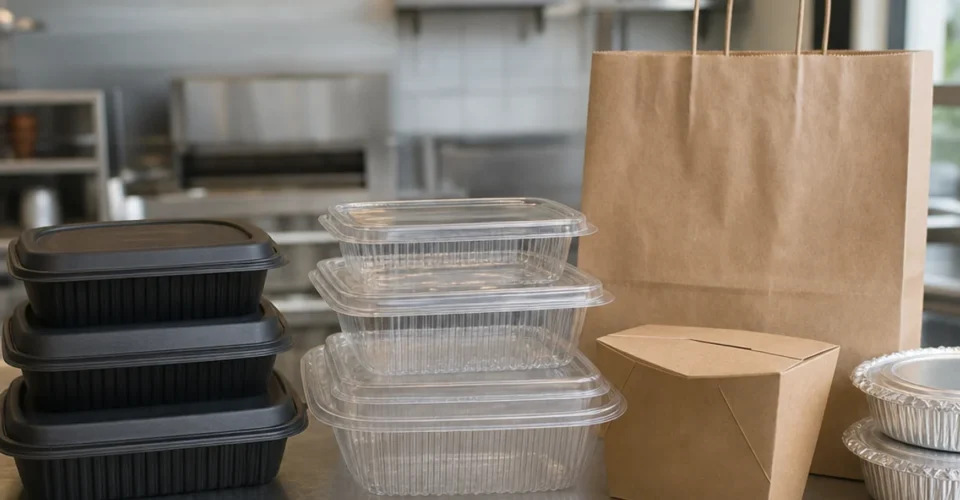
A growing number of local governments now target one item on the takeout counter: the black plastic takeout container. In October 2026, members of Chelmsford Town Meeting in Massachusetts approved a black plastic takeout container ban for local eateries from 2028, and the trade press reported more communities looking at similar rules.
This guide explains why black plastic is singled out, what the recent rules say, and which takeout container alternatives restaurants, distributors and importers are switching to. As a result, you can plan your next container order before a rule forces a rushed change.
What Happened: New Black Plastic Takeout Container Bans
As reported by Plastics News, Chelmsford Town Meeting members approved a measure that stops local eateries from handing out black plastic containers, starting in 2028. The town joins a small but growing group of Massachusetts communities – including Needham, Brookline, Hudson and Pembroke – with local black plastic rules.
The move is not limited to one town. For example, Canada’s federal single-use plastics rules already name foodservice ware made from problematic plastics, including black plastic, among the six banned categories. In Rhode Island, a 2026 bill (H 8415) proposed a statewide black plastic takeout container ban; however, lawmakers sent it to committee, so check its status before you rely on it.
| Place | What the rule covers | Status (October 2026) |
|---|---|---|
| Chelmsford, Massachusetts (US) | Eateries may not hand out black plastic containers | Approved – applies from 2028 |
| Needham, Brookline, Hudson, Pembroke (US) | Local black plastic restrictions | Passed earlier, per Sierra Club (2025) |
| Canada (federal) | Foodservice ware made from black plastic and other problematic plastics | In force; legal challenge before the Supreme Court of Canada |
| Rhode Island (US) | Proposed statewide ban on black plastic takeout containers | Bill referred to committee – not confirmed |
Why Black Plastic Takeout Containers Are Targeted
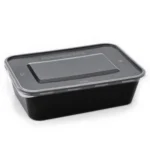
Black plastic takeout containers often carry a recycling symbol, yet most recycling plants cannot sort them. Sorting lines use near-infrared sensors to identify each plastic type, and the carbon black pigment absorbs that light. As a result, the machine misses the container, and it usually ends up as waste, even when customers rinse it and put it in the recycling bin.
Local reports say this was exactly the reason behind the Chelmsford black plastic takeout container ban: the containers say recyclable, but Massachusetts facilities cannot handle them. For brands, that gap between the label and reality is now a reputation risk as well as a compliance one.
- Sorting problem: near-infrared machines cannot see carbon-black pigment.
- Labeling risk: recyclability claims on packaging face stricter rules, such as California’s SB 343.
- Customer view: diners increasingly notice which containers go in the bin.
Takeout Container Alternatives Restaurants Are Choosing
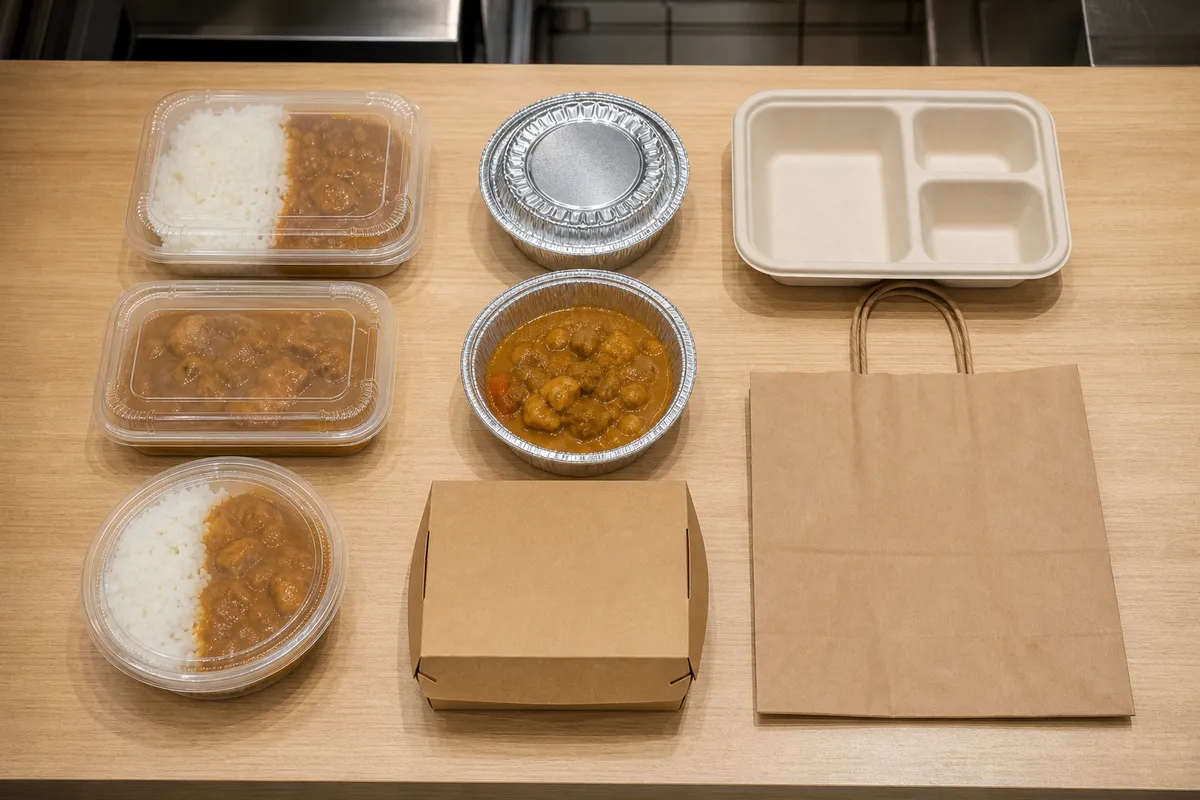
Switching does not mean giving up leak-proof, stackable packaging. In practice, when a black plastic takeout container ban arrives, most food businesses move to one of the options below and keep black only where no rule applies.
| Alternative | Best for | Check before you switch |
|---|---|---|
| Clear or white PP plastic containers | Curries, rice, soups, meal prep | Lid fit, wall thickness and the color your local recycler accepts |
| Aluminum foil containers | Baked dishes, catering, reheating in an oven | Lid type (board or foil) and stacking in delivery bags |
| Paper and kraft boxes | Pizza, bakery, dry and fried food | Grease resistance and the size range you need |
| Corn starch meal trays and bowls | Compartment meals and bowls | Heat limits and how your local waste service treats them |
| Kraft paper bags | Carrying the order | Handle strength and bag size for your boxes |
How to Plan the Switch Before a Black Plastic Takeout Container Ban
A ban with a 2028 start date sounds far away; however, new tooling, artwork and stock clearance all take time. Plan the change in a few simple steps.
- List every black plastic item you use today – bases, lids, sauce cups and trays.
- Check the rules where your customers are, including city and state orders, not only national law.
- Order samples of clear or white PP, foil and paper options in the same sizes.
- Test them with your hottest, oiliest and wettest menu items in a real delivery run.
- Run down black stock first, then switch sizes one by one to avoid waste.
- Update your website and menus so customers know how to dispose of the new packaging.
What This Means for Importers and Distributors
If you supply restaurants, the questions will reach you first. Distributors who stock clear PP and paper options in the same popular sizes as black ranges can keep customers when a black plastic takeout container ban arrives. In addition, keep written product details – material, size and recycling code – so your buyers can answer inspectors and customers.
Finally, avoid broad environmental claims on cartons and websites. Describe the material accurately (for example, PP number 5 or kraft paper) and let local recycling rules speak for themselves.
Products Mentioned in This Guide
Frequently Asked Questions
Why are black plastic takeout containers being banned?
Most recycling plants sort plastic with near-infrared sensors that cannot detect carbon-black pigment, so black containers are usually not recycled even when they carry a recycling symbol. Local governments are therefore restricting them.
Where is there a black plastic takeout container ban?
In October 2026, Chelmsford in Massachusetts approved a ban for eateries from 2028, and Canada’s federal single-use plastics rules cover foodservice ware made from black plastic. Other places, such as Rhode Island, have proposals that are not yet law.
What can restaurants use instead of black plastic containers?
Common takeout container alternatives are clear or white PP plastic containers, aluminum foil containers, paper and kraft boxes, corn starch meal trays and kraft paper bags. Test samples with your own menu before switching.
Are clear PP containers recyclable?
Clear and white PP (number 5) can be identified by sorting machines, but acceptance depends on your local recycling service. Check with your municipality before making any recycling claim.
Plan Your Switch from Black Plastic
Tell us which black plastic sizes you use today, and we will suggest matching PP, aluminum foil, paper and corn starch options with carton packing and a container loading plan for your port.