The UK is changing how it charges businesses for packaging waste. On 11 November 2026, the Department for Environment, Food and Rural Affairs (Defra) announced the first big changes to UK packaging EPR fees since the scheme began – a glass exemption for pubs and restaurants, and plans to link fees more closely to how easily packaging can be recycled.
For importers, wholesalers and brands that buy takeaway and food packaging for the UK market, however, the second part matters most. This guide explains what changes, when, and how to review your packaging EPR fees before the scheme’s third year starts in April 2027.
What Changes in UK Packaging EPR
Extended producer responsibility for packaging (pEPR) makes the businesses that place packaging on the UK market pay for collecting and recycling it. According to IBTimes UK and the compliance scheme Clarity, the announcement includes four main changes. For example:
| Change | When | Status |
|---|---|---|
| No pEPR fees on glass drinks containers sold directly to pubs, restaurants and other licensed venues | From April 2027 | Announced |
| Higher fee adjustments for less recyclable packaging brought forward | From April 2027 | Announced; revised rates not yet published |
| Call for evidence on linking fees more closely to recyclability | Early 2027 | Planned by PackUK |
| Call for evidence on expanding packaging reuse | December 2026 | Planned |
The Glass Exemption for Hospitality
The headline change removes duplicate charges on glass bottles sold directly by producers to licensed hospitality venues, which already pay for their own commercial waste collection. Defra estimates savings of about 4p to 6p per beer bottle and 10p per wine bottle, or up to £870 a year for a pub selling 10,000 beer bottles and 3,700 wine bottles.
However, the savings go to the businesses that pay the fees, such as drinks producers, so pub bills will not necessarily fall. In addition, the government has not yet explained how drinks supplied through wholesalers will be treated.
Why Recyclability Will Matter More Under UK Packaging EPR
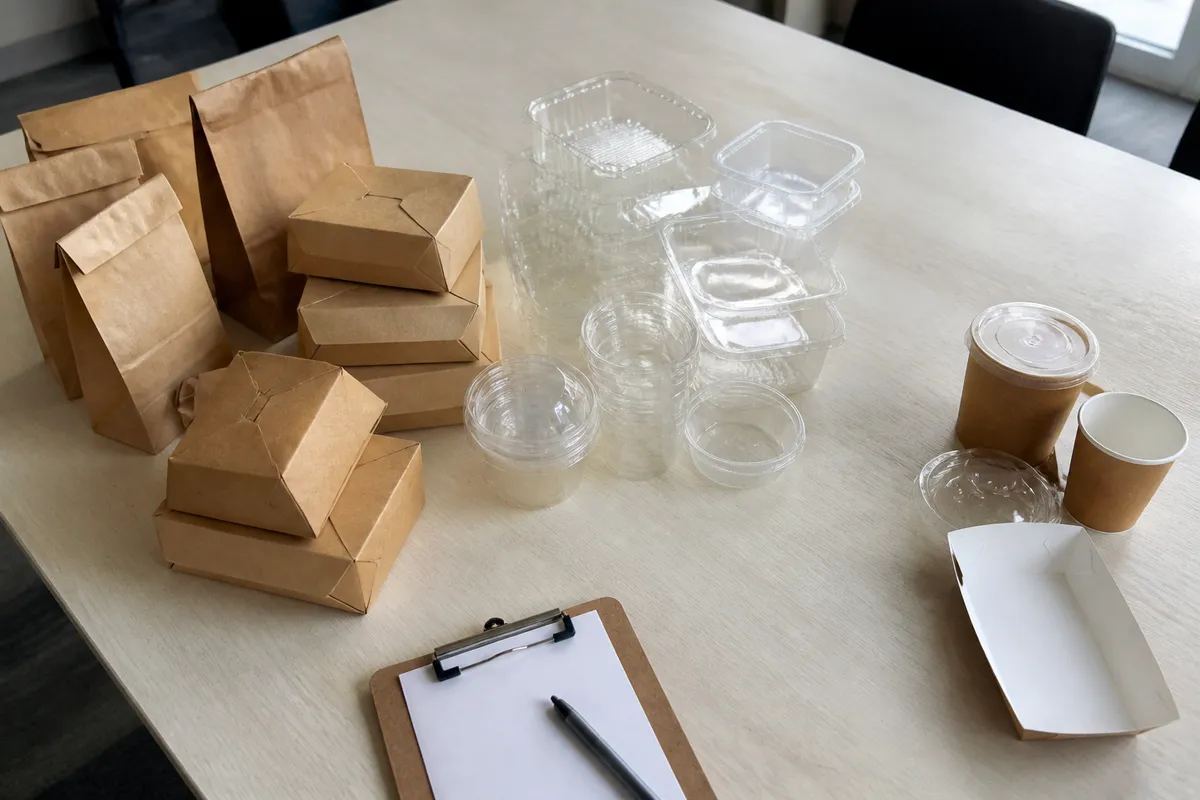
For food packaging, however, the bigger story is fee modulation. PackUK already rates packaging for recyclability. Under its published schedule, for instance, Red-rated packaging is due to pay 1.6 times the Amber fee for the same material in 2027/28, rising to twice the Amber fee in 2028/29.
The government now plans to bring those higher adjustments forward from April 2027. It also wants to cut annual fees for the most recyclable packaging by up to 40% and raise them for some harder-to-recycle materials, such as certain plastics. Therefore, the material and design of each pack will have a growing effect on its UK packaging EPR cost.
What Food Packaging Buyers Should Do Now
The final rates are not yet published, but the direction is clear. As a result, these steps help you plan your UK packaging EPR costs for 2027 and beyond.
- List every packaging item you place on the UK market, with its material and weight.
- Ask your compliance scheme how each item is likely to be rated for recyclability.
- Look at mono-material options, such as a paper bag without a plastic window or a plain PP container, where they suit the food.
- Avoid mixed materials that are hard to separate, unless the food really needs them.
- Ask suppliers for exact material and weight details for each item, so your EPR reporting is accurate.
- Keep reporting under the current guidance and watch for PackUK’s calls for evidence.
Products Mentioned in This Guide
Frequently Asked Questions
What is UK packaging EPR?
Extended producer responsibility for packaging (pEPR) is a UK scheme that makes businesses placing packaging on the market pay for collecting and recycling it. PackUK administers it across England, Scotland, Wales and Northern Ireland.
What did the UK government announce on 11 November 2026?
Defra announced that glass drinks containers sold directly to licensed hospitality venues will not attract pEPR fees from April 2027. It also plans to bring forward higher fees for less recyclable packaging and to consult on lower fees for the most recyclable packaging.
Will plastic food packaging cost more under UK packaging EPR?
The government plans to raise fees for some harder-to-recycle materials, such as certain plastics, and cut them for the most recyclable packaging by up to 40%. The exact rates have not yet been published.
Do the changes apply across the whole UK?
The glass measure and the recyclability work cover all four UK nations. The December 2026 call for evidence on reuse covers England, Scotland and Northern Ireland.
Review Your UK Packaging Range
Send us the takeaway and food packaging you sell in the UK, and we will share exact material and weight details for each item, plus paper and PP options that can simplify your range. This guide is general information – always follow PackUK and Defra guidance.