Round vs Rectangular PP Food container: Which Sells Better in Export Markets?
In the global food packaging industry, container selection is no longer a minor operational detail. For international buyers, distributors, and food-service brands, choosing the right PP food container directly impacts logistics efficiency, food safety, shelf life, and cost management.
As export volumes increase and supply chains become more structured, buyers are paying closer attention to packaging shape, stacking behavior, and real-world performance during transportation. One of the most common questions raised in export discussions is whether round or rectangular PP food containers perform better across international markets.
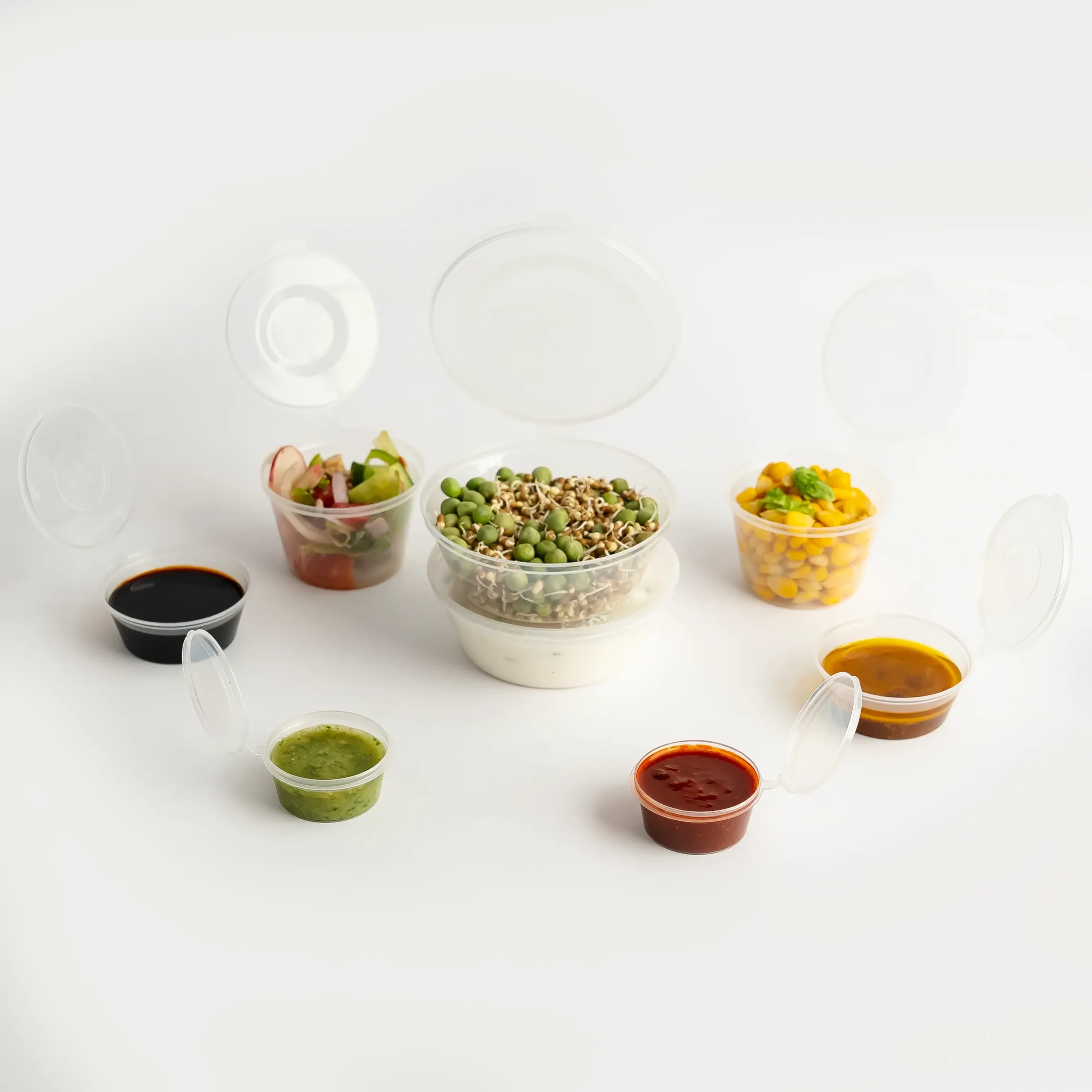
Why PP Food Container Are Widely Used in Export Markets
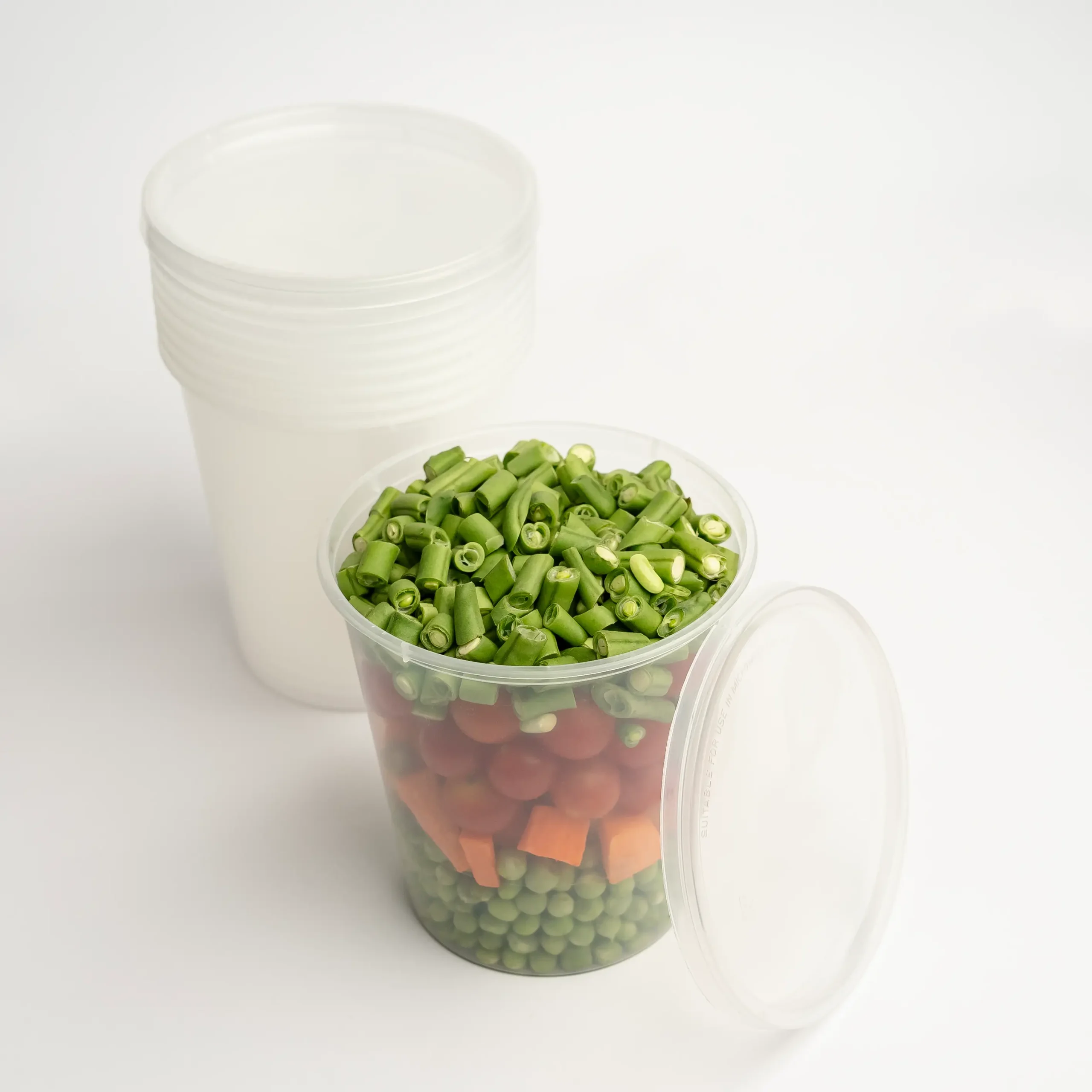
A PP food container is produced using polypropylene, a food-grade thermoplastic known for durability, chemical resistance, and thermal stability. These properties make PP containers suitable for long-distance shipping where packaging is exposed to repeated handling, stacking pressure, and temperature variation.
International food supply chains rely heavily on PP containers for frozen foods, ready-to-eat meals, and takeaway container formats because the material maintains structural integrity while remaining lightweight. This balance helps exporters reduce freight weight while maintaining packaging reliability.
Why Container Shape Matters More in Export Logistics
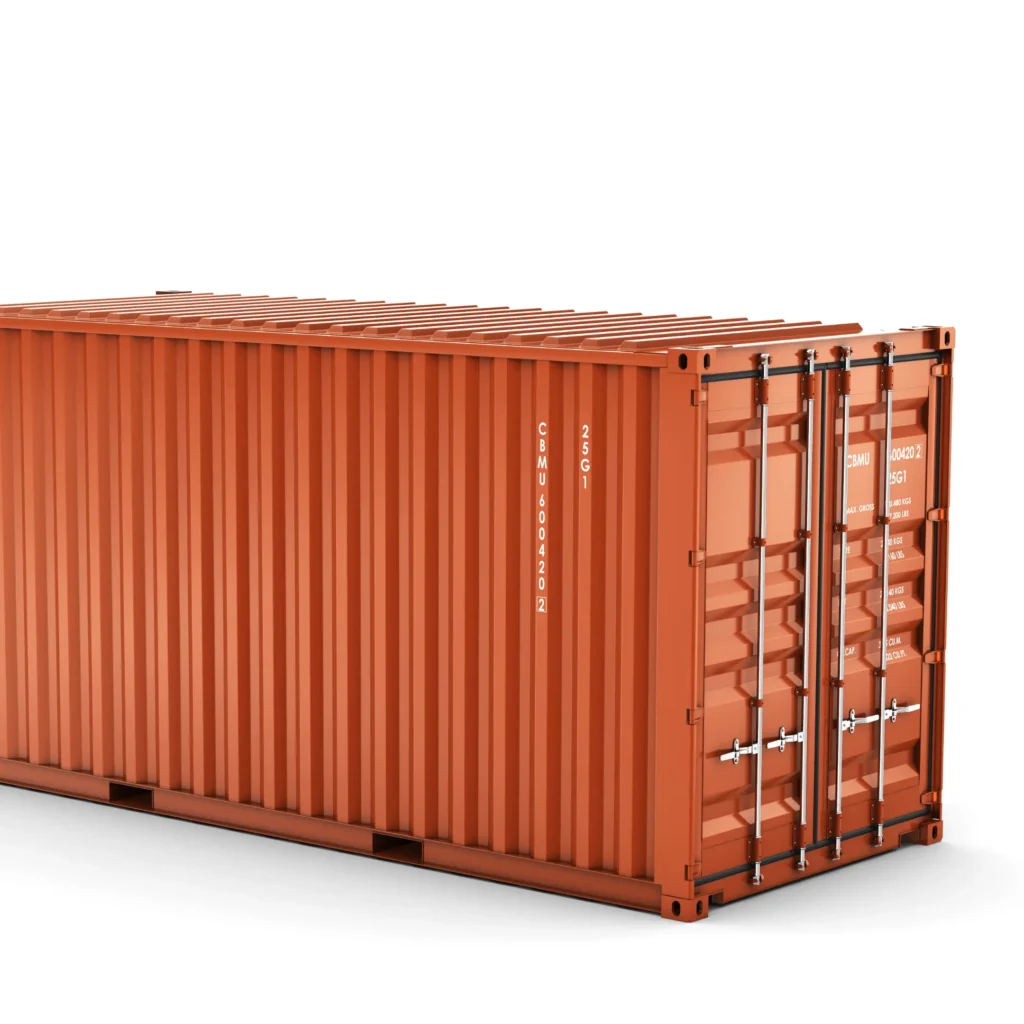
In export operations, packaging shape plays a critical role in carton design, pallet loading, and shipping container utilization. Even a small improvement in space efficiency can significantly reduce per-unit shipping cost over high-volume exports.
For this reason, importers evaluate round and rectangular PP food containers based on operational compatibility rather than visual appeal.
Round PP Food Container in International Markets
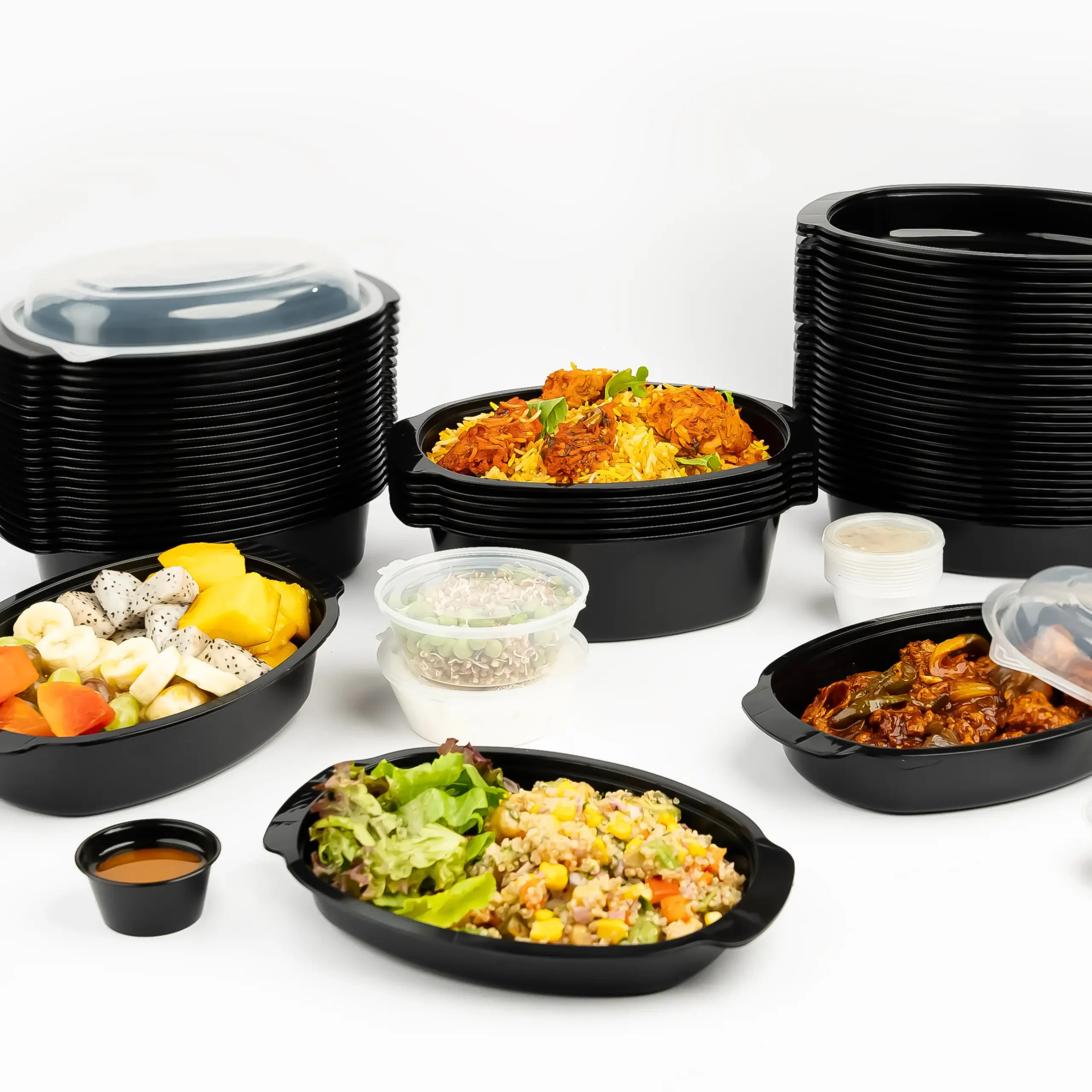
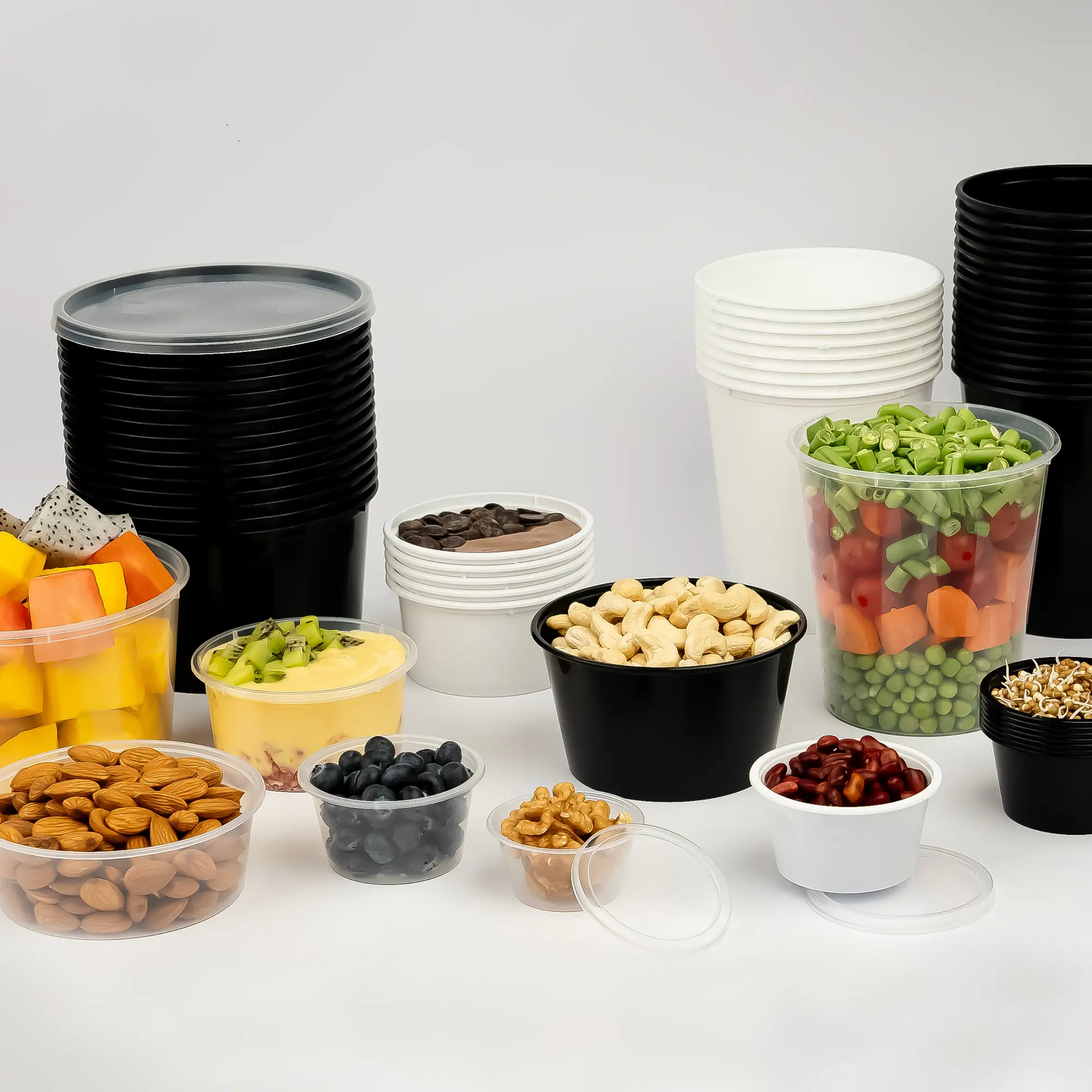
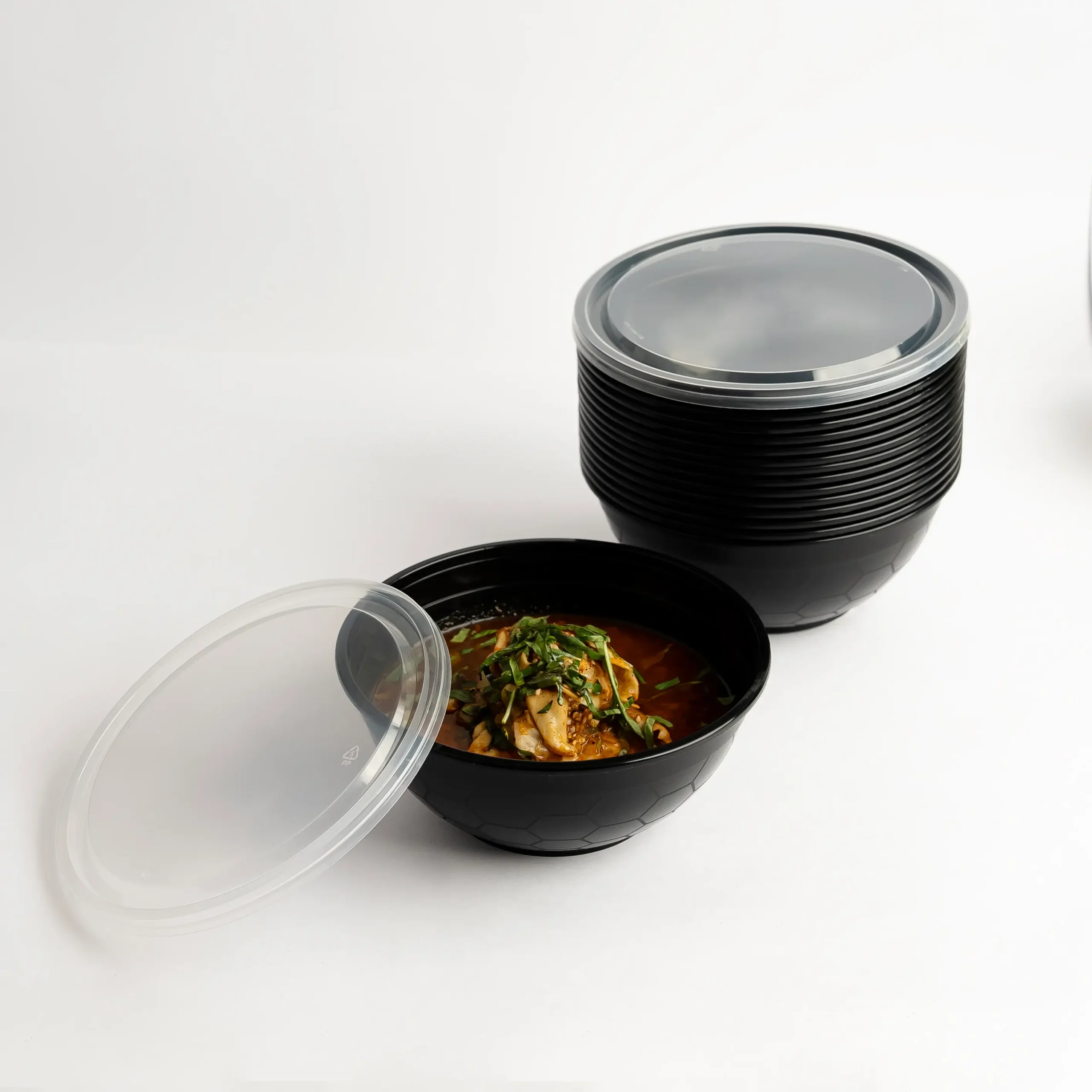
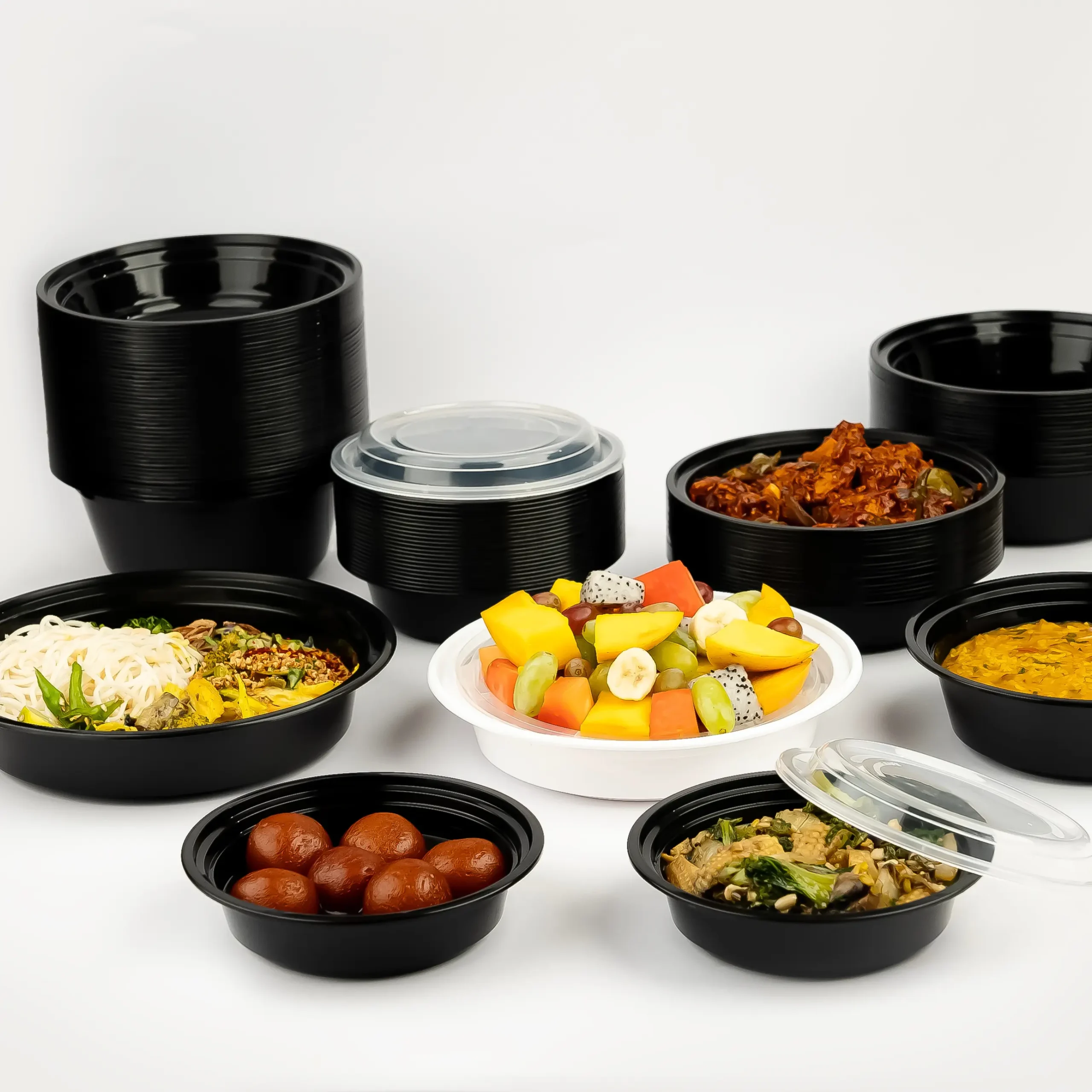
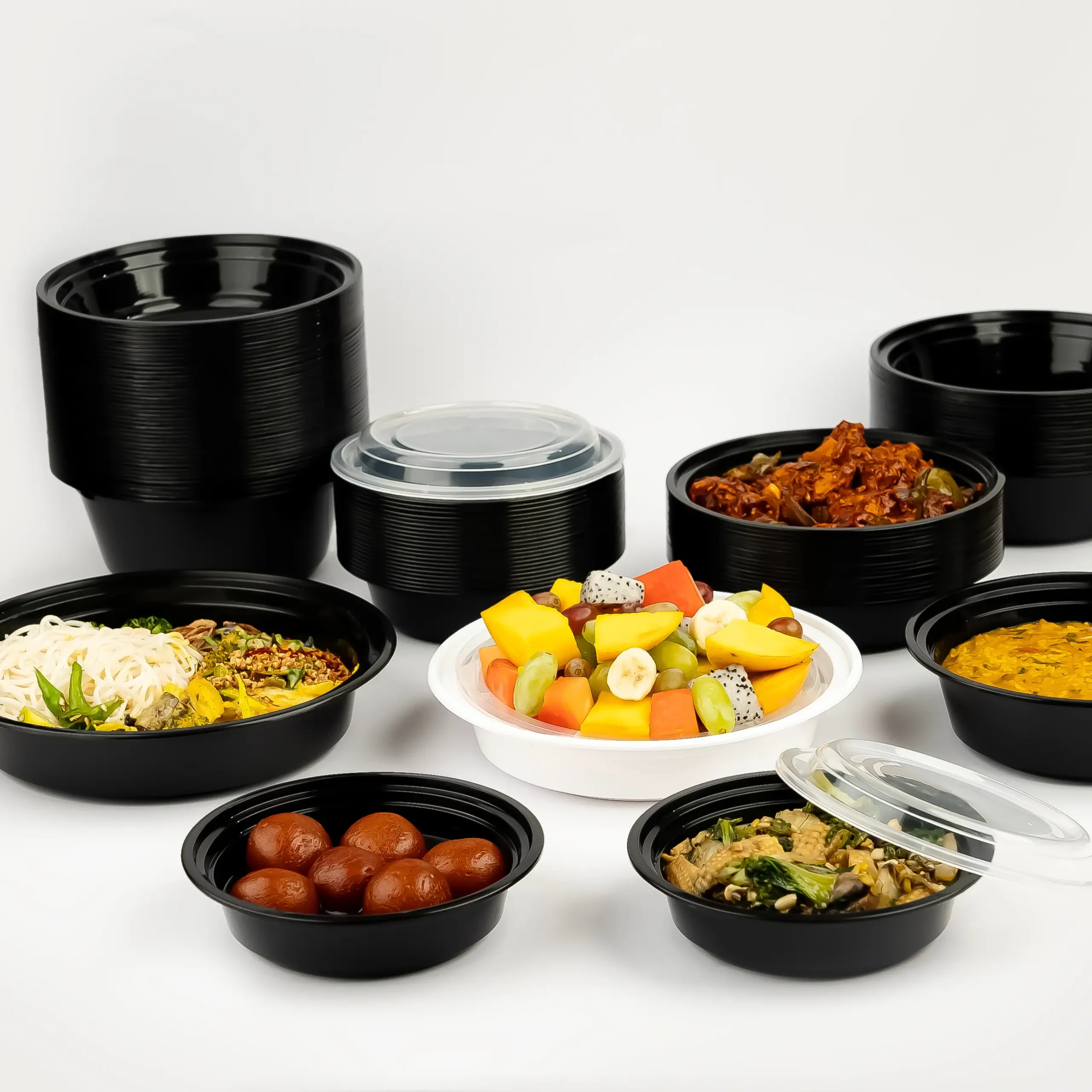
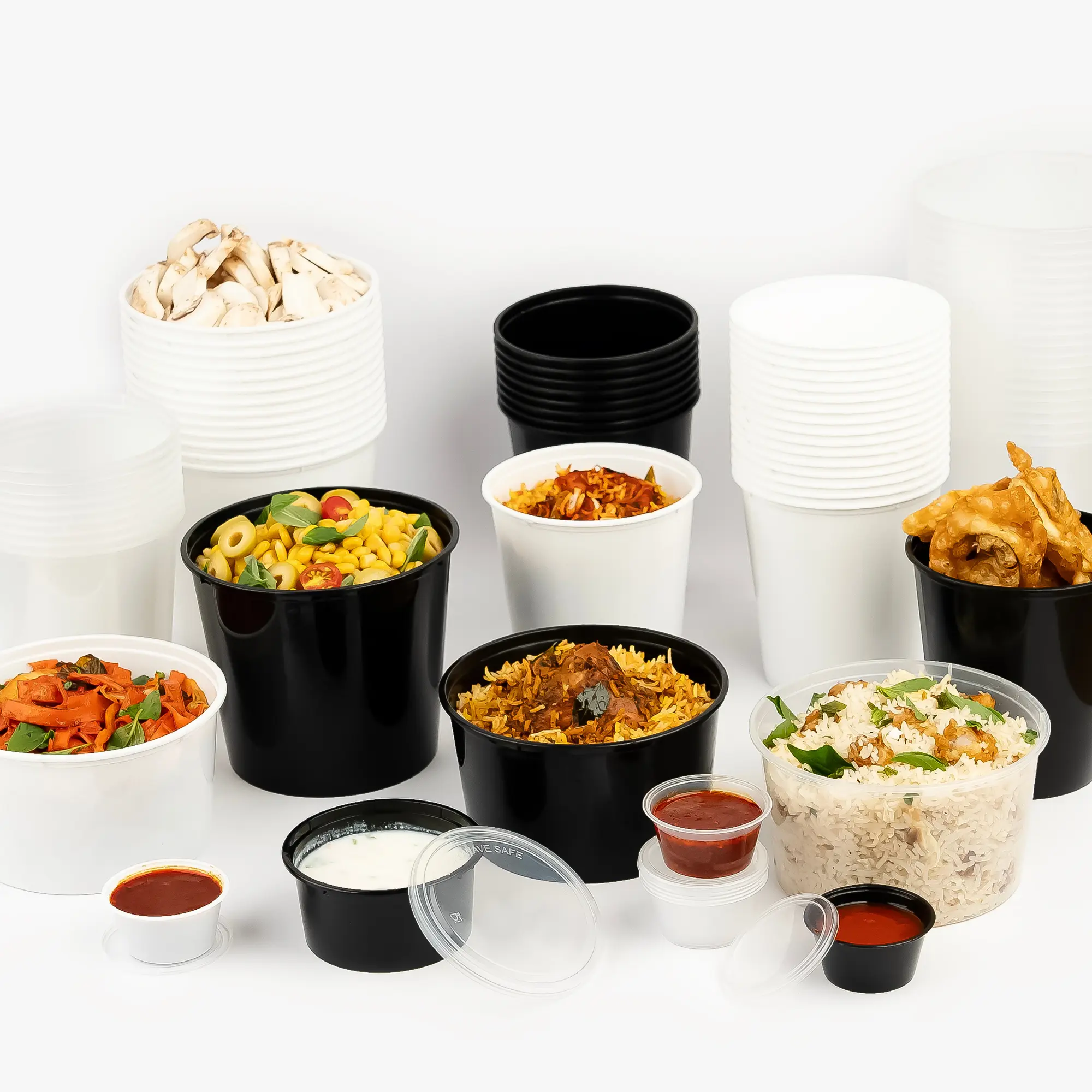
Round PP food container commonly used for gravies, soups, and food-service exports
Round PP food container are widely used in markets where liquid and semi-liquid foods form a major part of consumption. These include curries, soups, sauces, and prepared meals with high moisture content.
From an export perspective, the circular shape helps distribute internal pressure evenly during transportation. This supports lid sealing stability and reduces deformation risk when containers are stacked for long periods.
Rectangular PP Food Container in Export Supply Chains
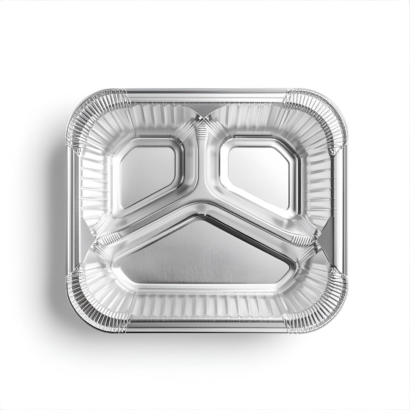
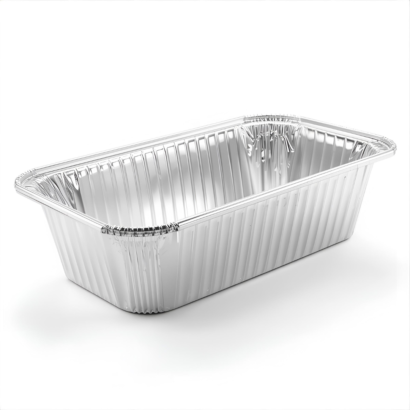
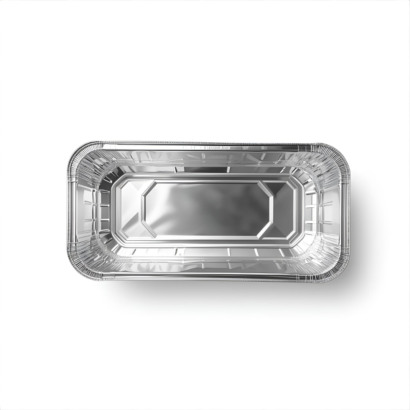
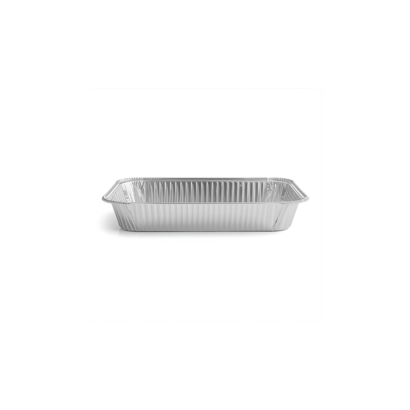
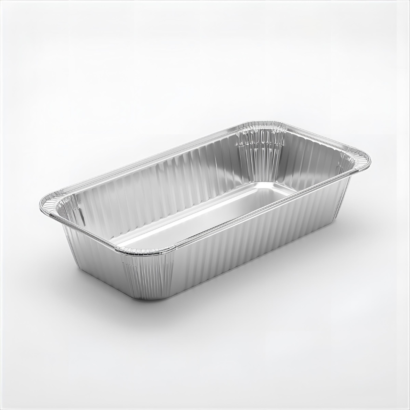
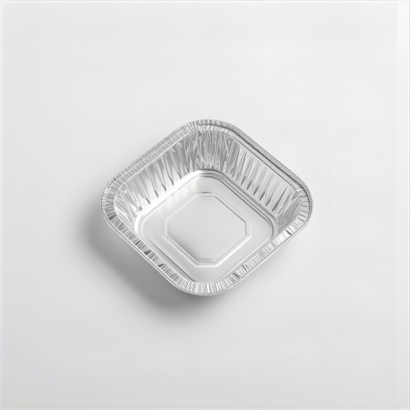
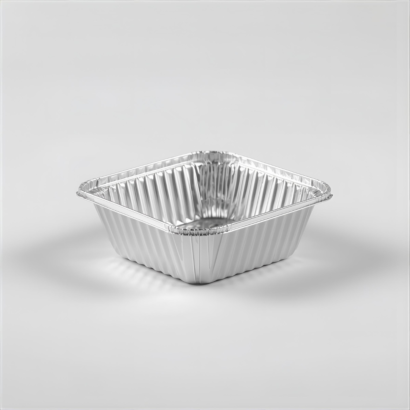
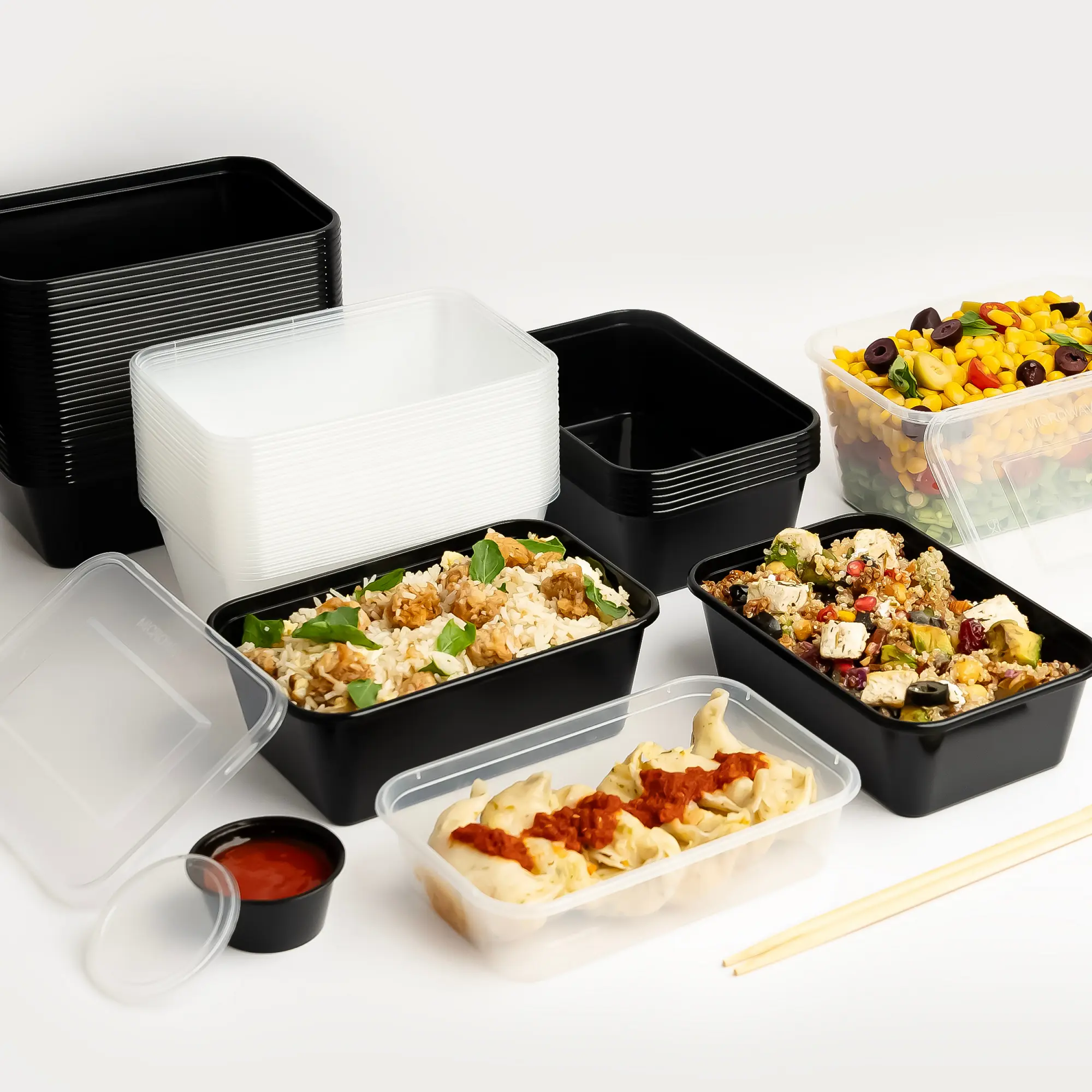
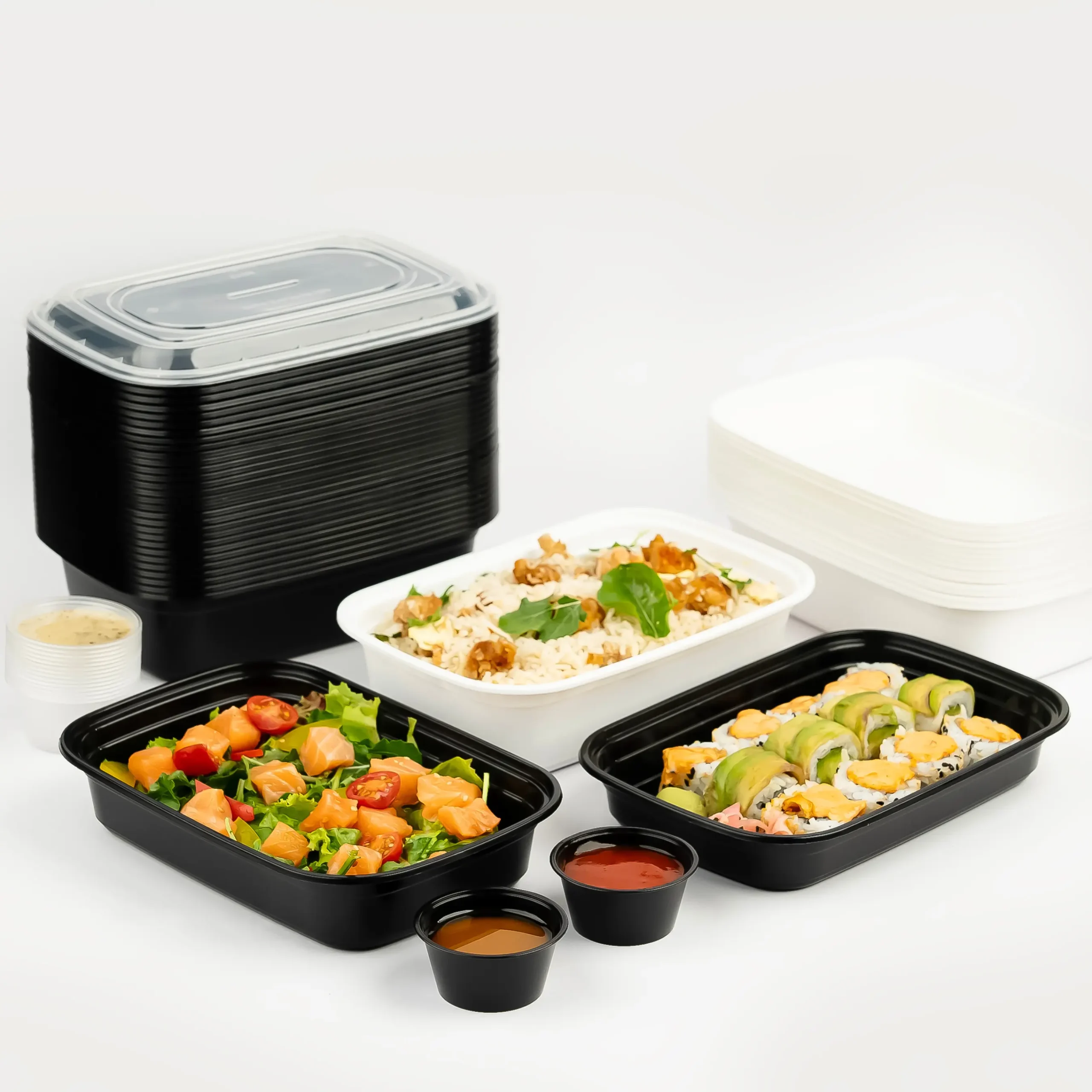
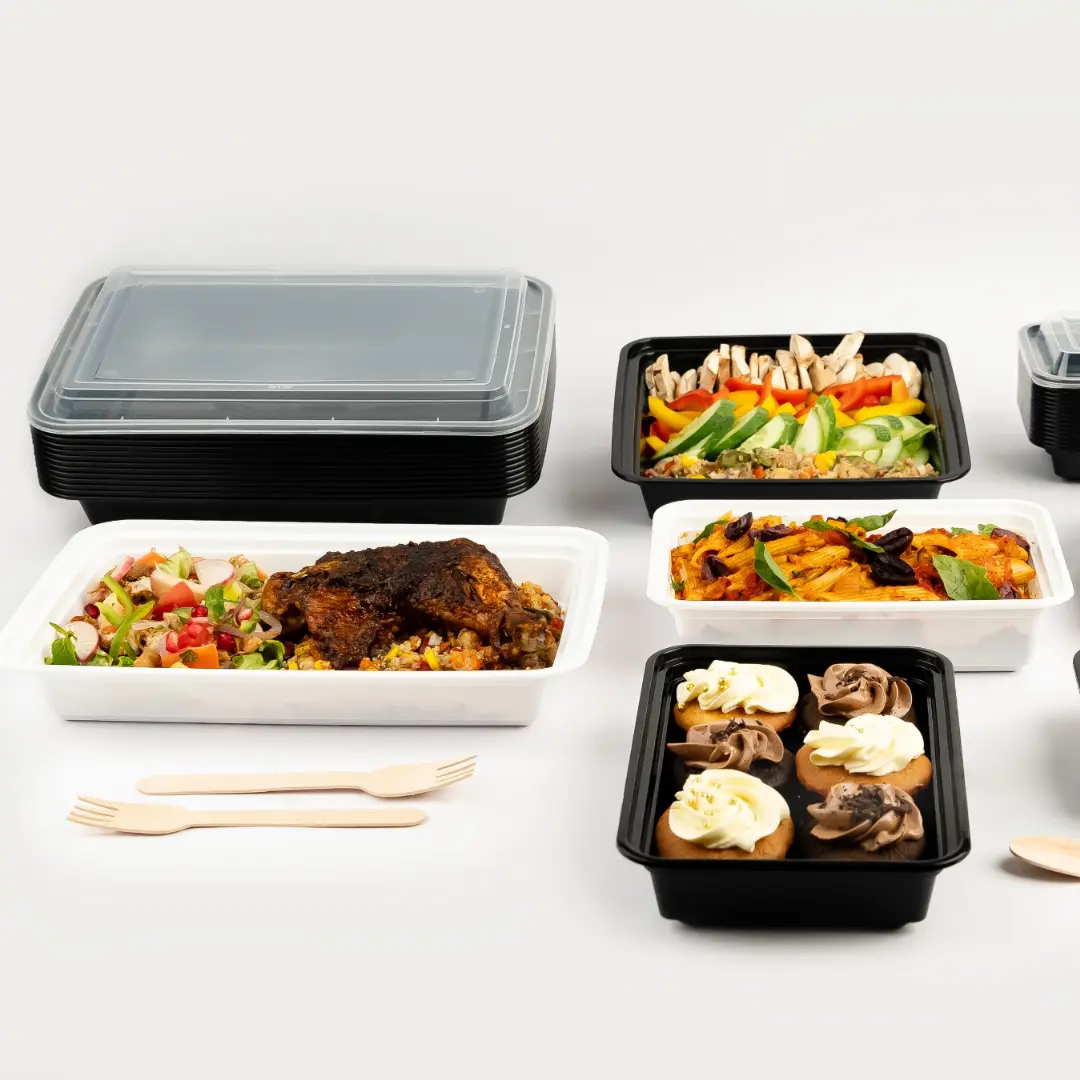
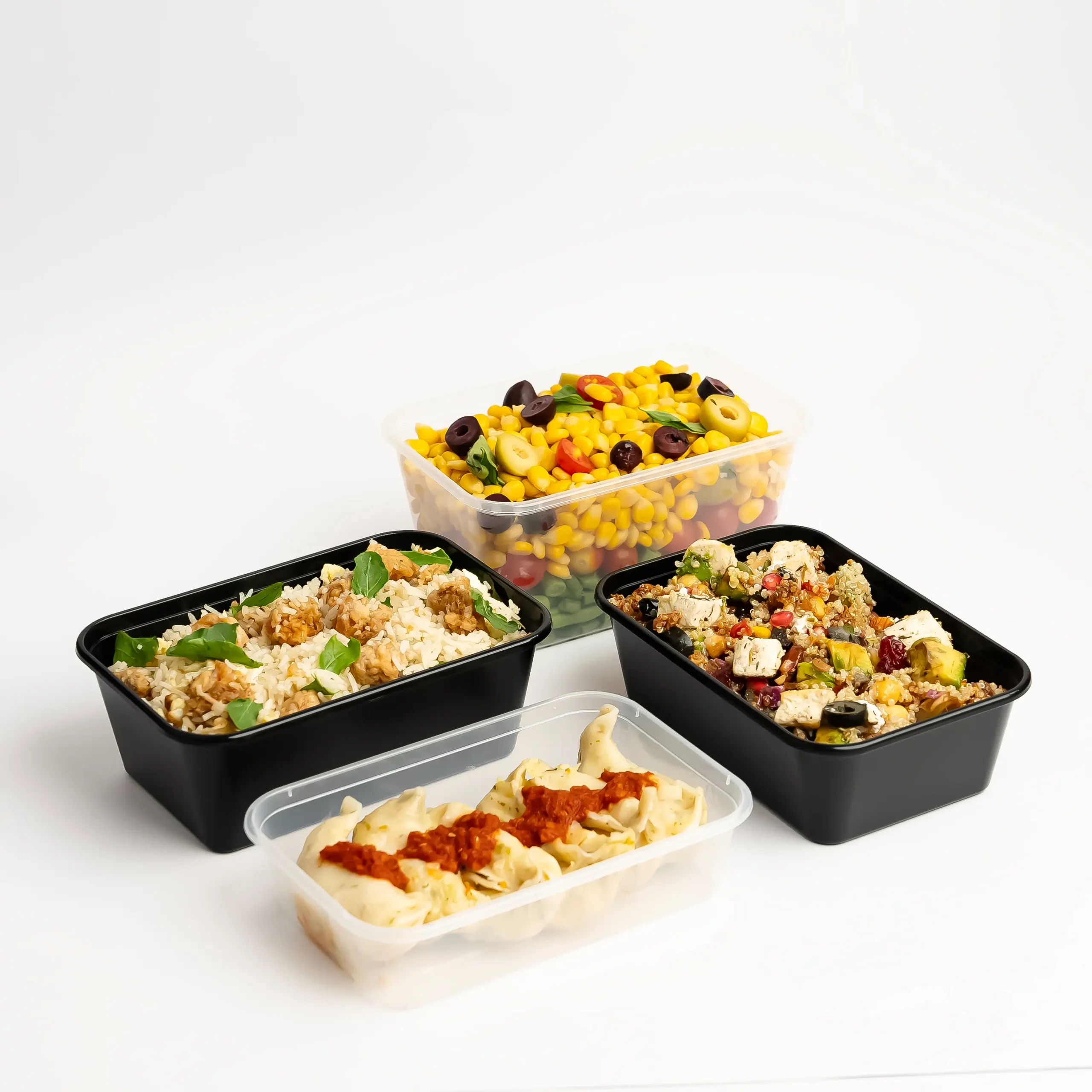
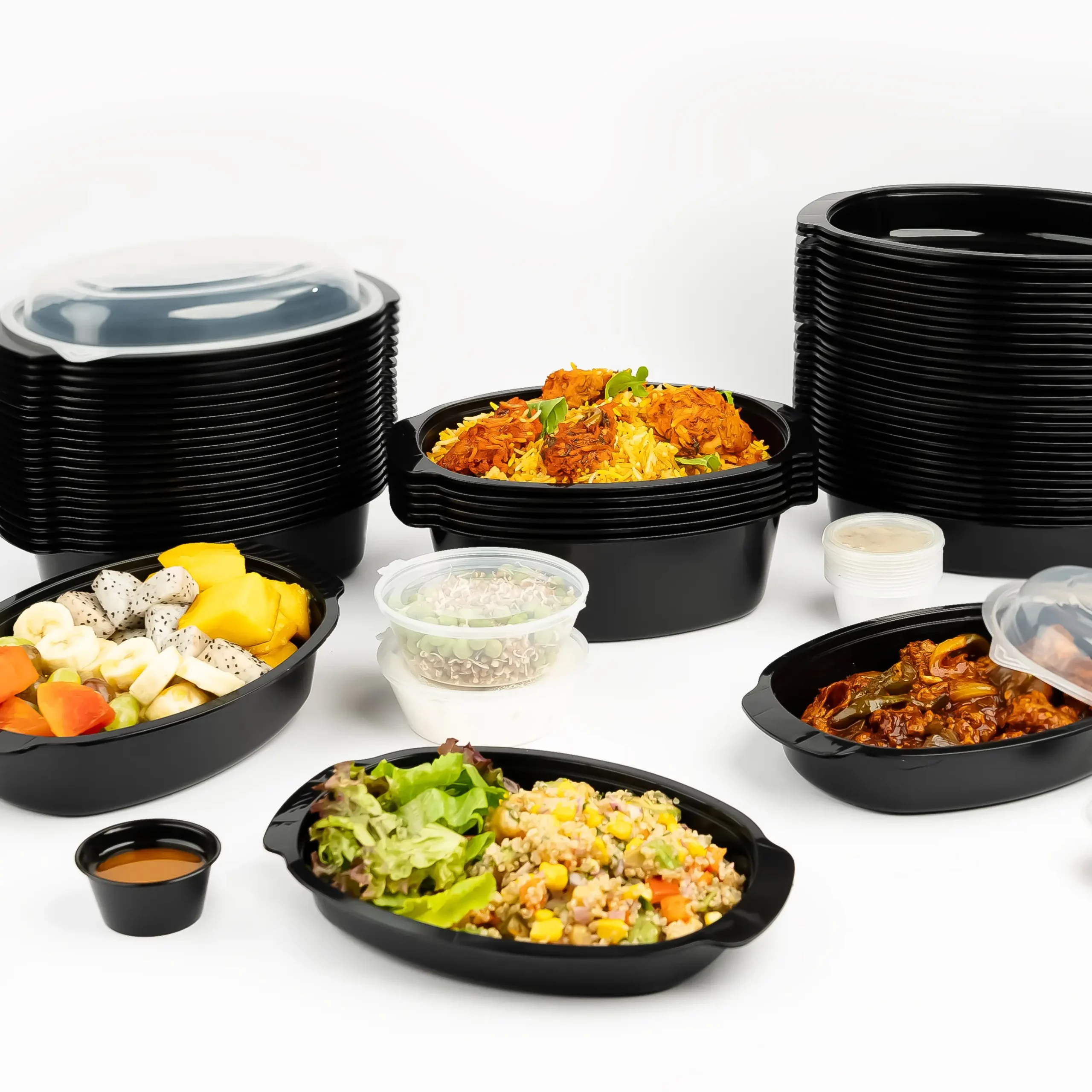
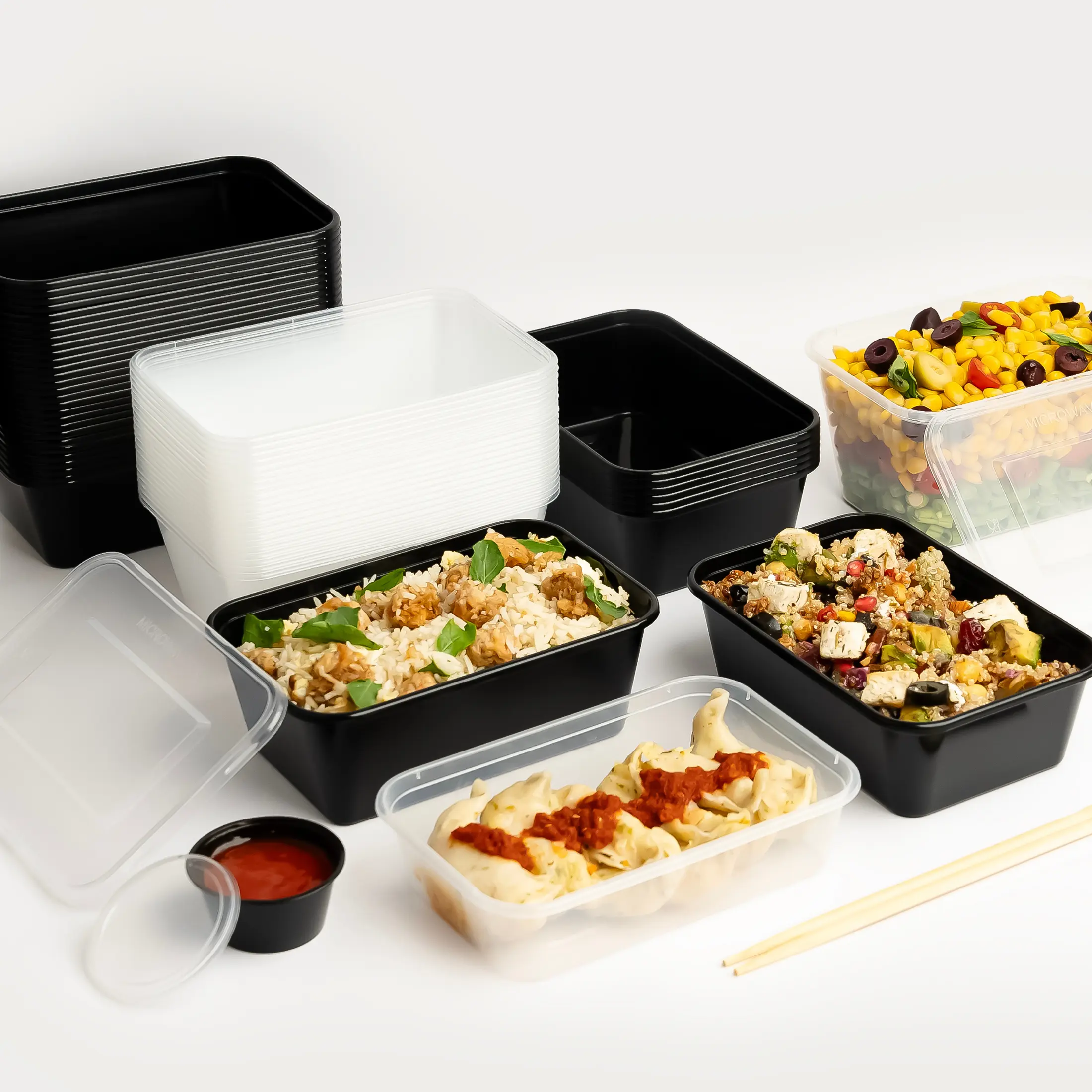
Rectangular PP food container designed for space-efficient export logistics
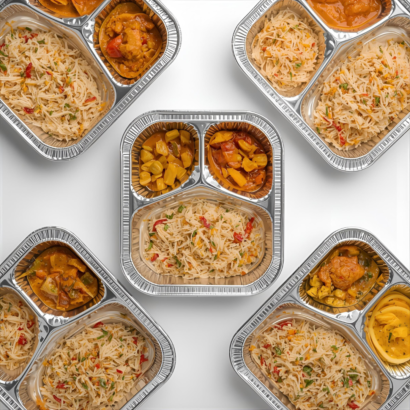
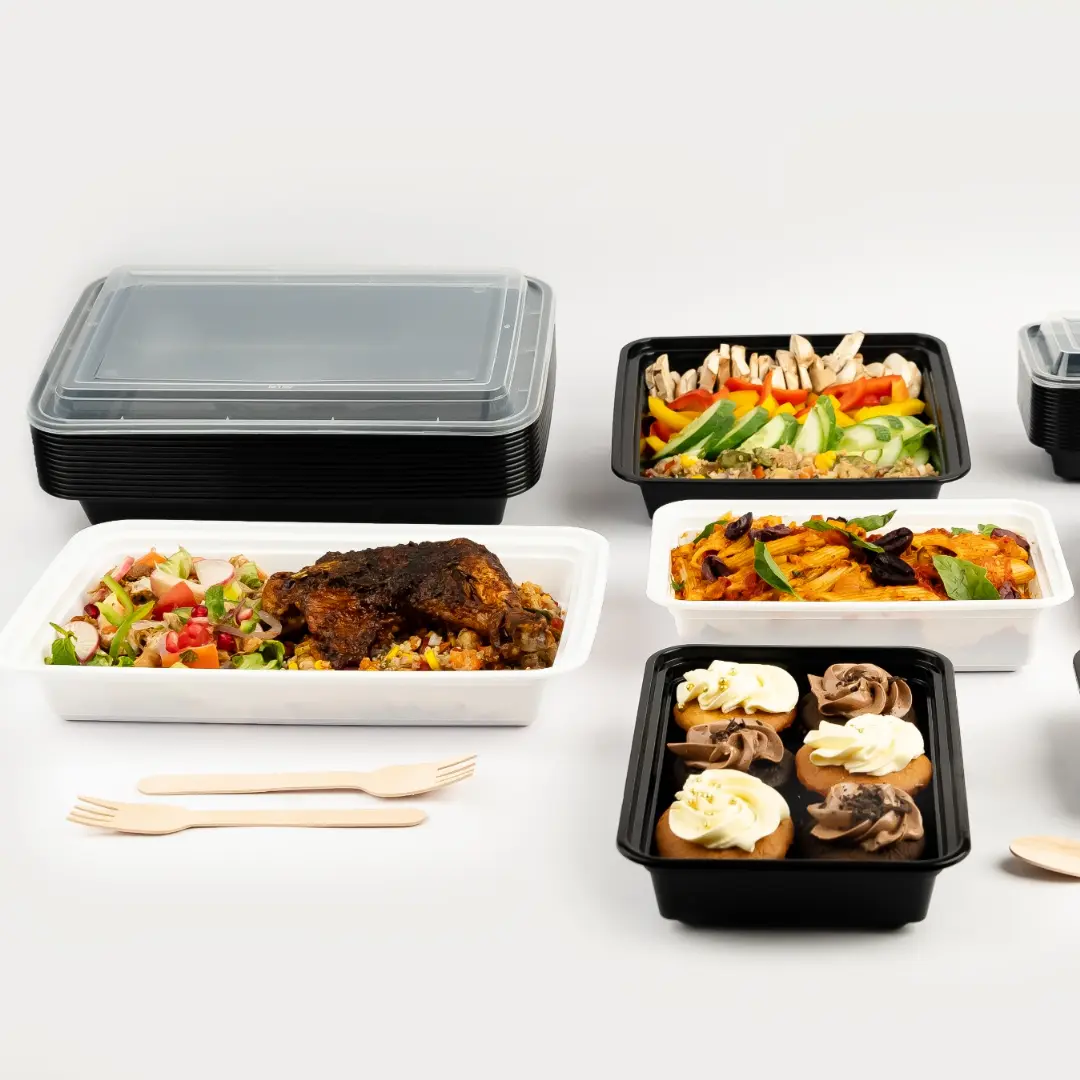
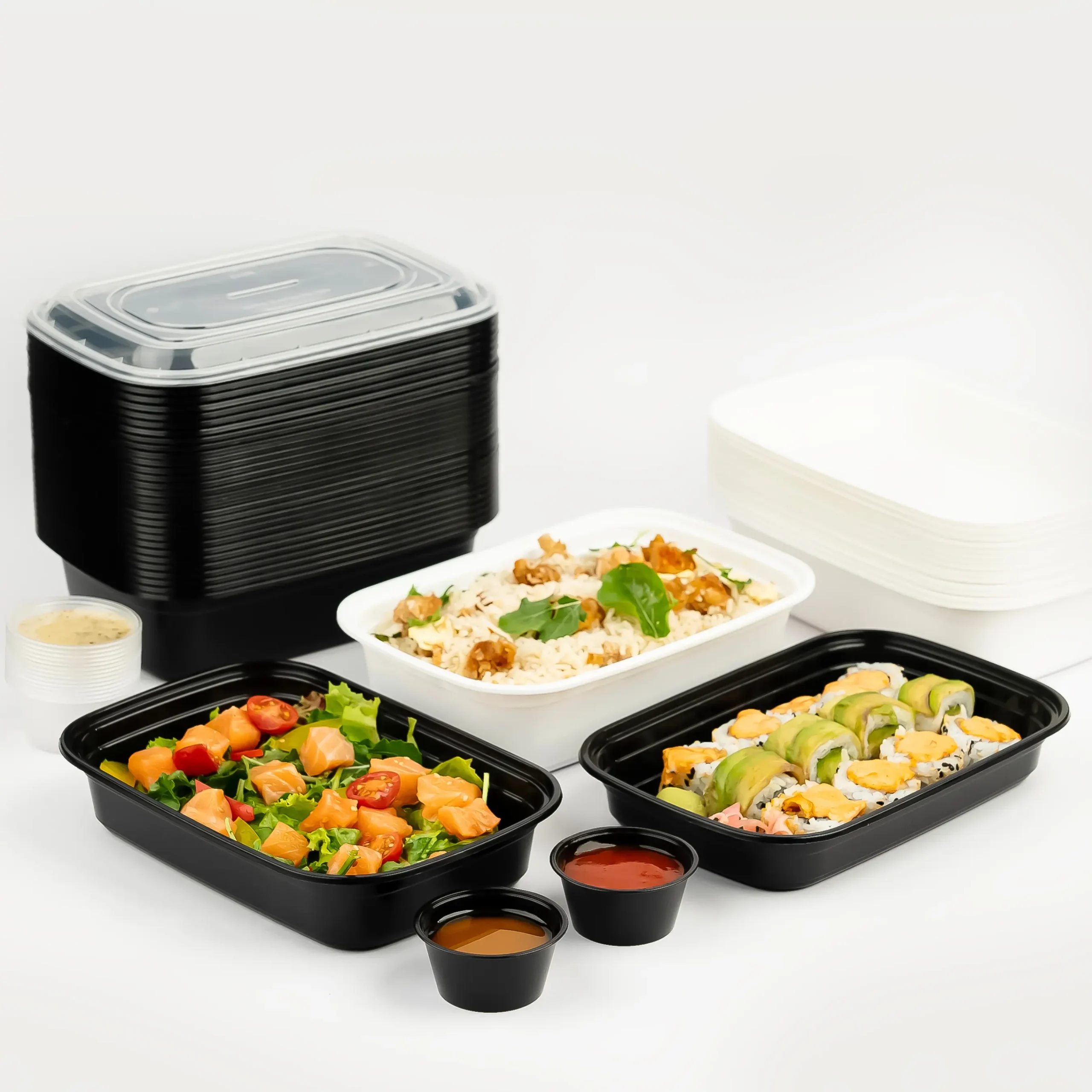
Rectangular PP food container are commonly used in structured food systems such as frozen meals, rice-based dishes, and portion-controlled takeaway container packaging.
Their straight edges allow better alignment inside cartons and pallets, which improves space utilization and simplifies warehouse organization for importers handling large inventories.
Export Market Comparison
| Evaluation Area | Round Containers | Rectangular Containers |
|---|---|---|
| Food Application | Liquid & semi-liquid meals | Dry, frozen & portioned foods |
| Logistics Efficiency | Moderate | High |
| Buyer Preference | Food-service operators | Importers & distributors |
Domestic vs Export Packaging Considerations
Export packaging prioritizes durability, space optimization, and long-distance handling. Domestic packaging, on the other hand, focuses on short transit cycles and local distribution efficiency.
Businesses serving the Indian domestic market can explore suitable packaging options at Weorex Packing – Domestic Platform.
Conclusion
Both round and rectangular PP food containers play important roles in international markets. Their performance depends on food type, logistics structure, and buyer operations rather than shape preference alone.
Exporters offering flexible takeaway container solutions are better positioned to meet global demand and build long-term buyer relationships.